Random Reviews: Espers: Interface
Overwritten summation prevents a layered story from feeling fully fleshed out
—by Nathan on October 19, 2026—
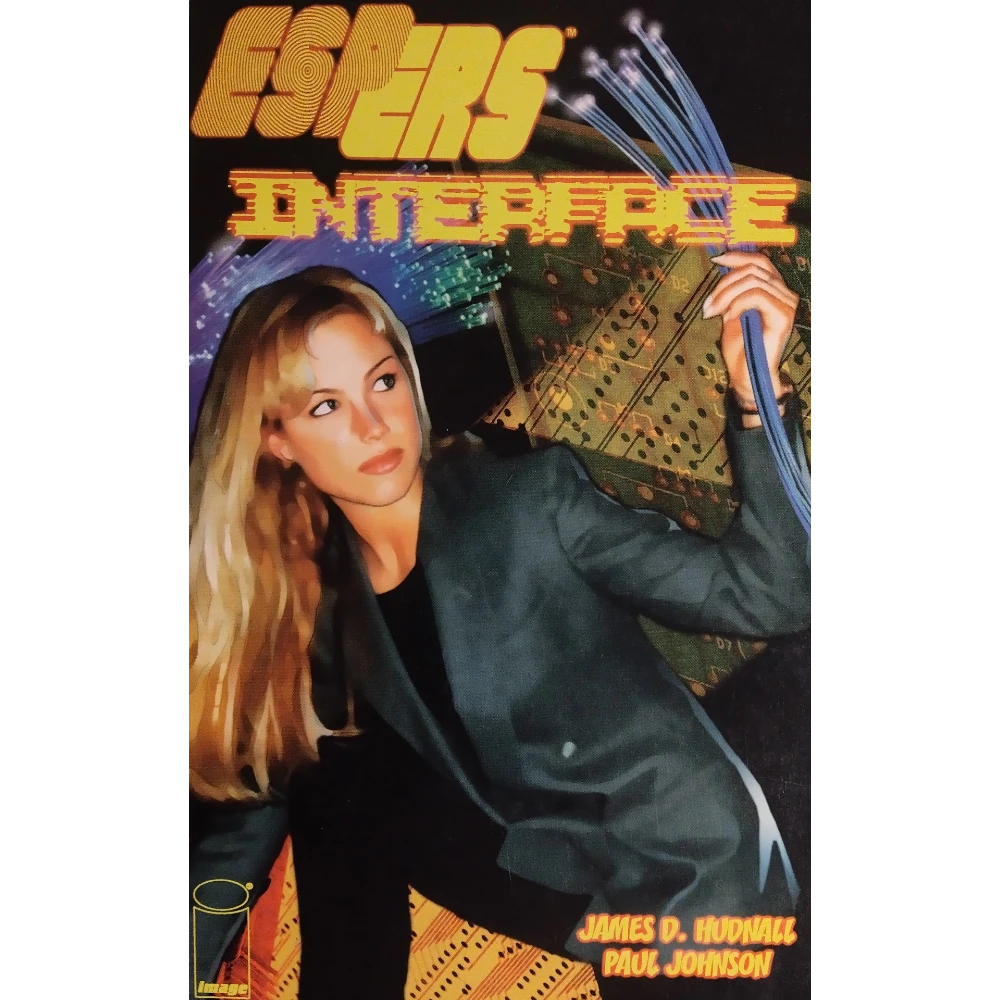
In my last "Random Reviews" post, I took a look at James Hudnall and David Lloyd's limited series for Eclipse Comics, Espers. The Strikeforce: Morituri writer and V for Vendetta artist created a narrative centered on a group of folks with different forms of extrasensory perception (hence the "ESP" in "ESP-ers"), abilities which aided them in breaking up a dangerous hostage situation and saving a small portion of the Middle East from becoming a radioactive hotbed.
Primed with Cold War tension, Espers wasn't terribly unlike Stan Lee and Jack Kirby's X-Men, both books featuring main characters with inhuman abilities drawn in by a central benefactor who helped hone their powers and sicced them on enemies. But the X-Men exist in a world that hates and derides mutants, while our Espers feel somewhat secure in their world's obliviousness…and hope their secret doesn't become public knowledge.
Hudnall, paired with other artists, would return to his creations a few other times, publishing this follow-up series with Marvel's Epic Comics imprint around the same time he was writing Strikeforce for Marvel mainstream. Hudnall's second series, Interface, provides a direct continuation from the first installment…though how much of a "continuation" we receive, we'll have to see.
Espers: Interface
Writer: James Hudnall
Penciler: Paul Johnson
Inker: Paul Johnson
Colorist: Paul Johnson
Letterers: Steve Craddock, Ken Lopez, Ellie de Ville
Issues: Interface #1-6
Volume Publication Date: January 1998
Issue Publication Dates: December 1989, February 1990, April 1990, June 1990, August 1990
Publishers: Epic Comics (original issues); Image Comics (collected edition)
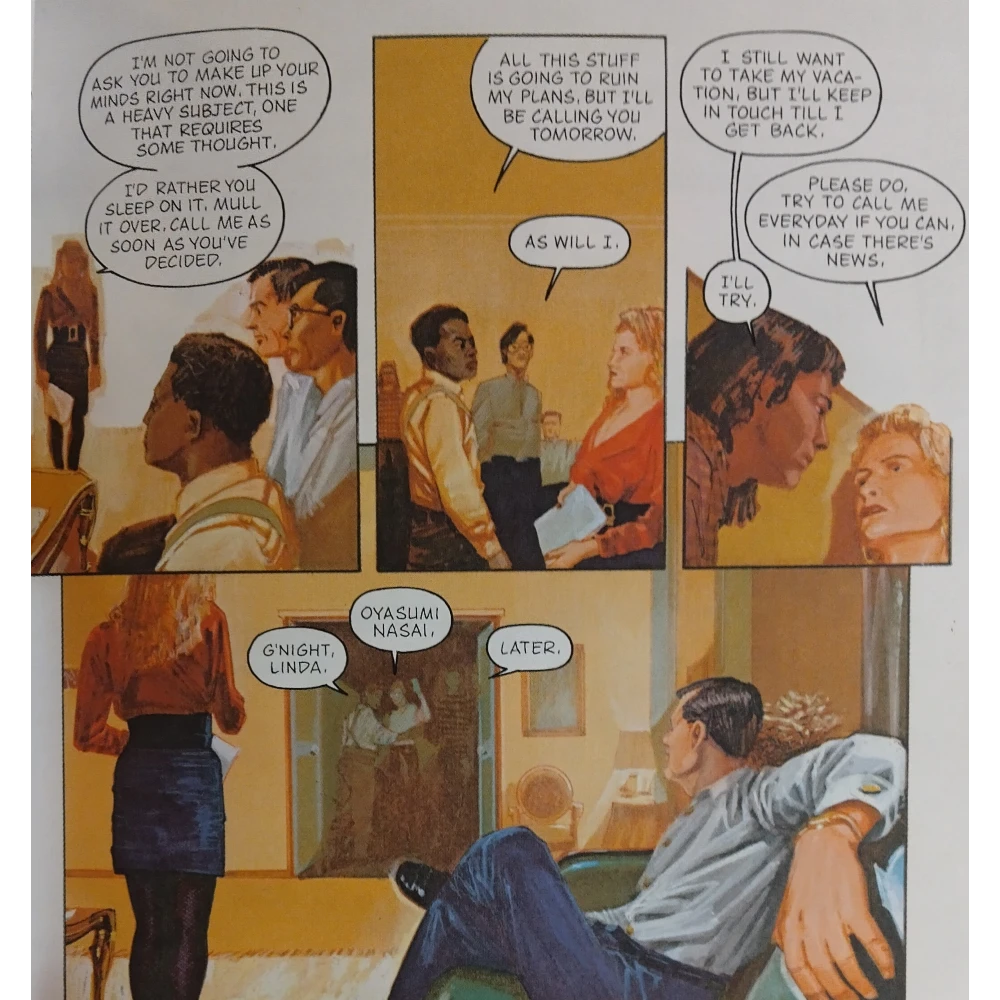
Oddly, this volume only republishes the first six of the eight-issue Interface series, though research indicates those final two issues served as the first chapters in an arc Epic never finished. It doesn't seem you're missing out on much by not reading those issues.
Though, awkwardly, the same could be said for a portion of Interface itself.
The fifth issue of the first Espers series introduced readers to a new plotline, featuring three superpowered assassins Hudnall heavily implied would come into conflict with our central characters. That first series was cancelled by Eclipse before the rest of that arc ever saw print, however, leading Hudnall to carry his creations with him over to Marvel and restart publishing Espers stories with this six-issue arc.
Which likely explains some of that awkwardness I alluded to above.
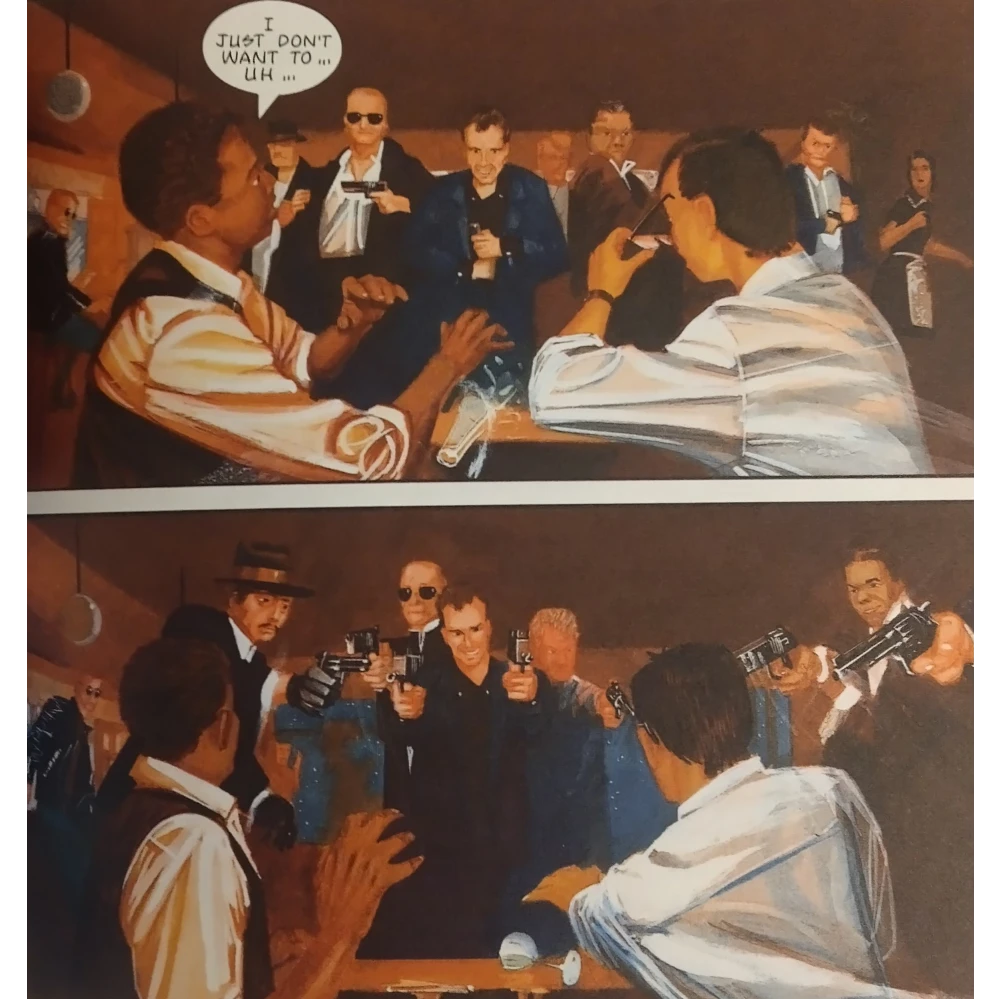
A good chunk of Interface is exposition, told through the lens of a few different characters, much of it recapping the events of the first series. I assume this was done to help any new readers unfamiliar with the original Eclipse title who wanted to pick up a new-looking Epic series but did not want to get tossed into the middle of an ongoing plot. To his credit, Hudnall is careful in outlining the events of Espers in a fashion that reads fairly well–though told through exposition, he melds it, somewhat, with his plot. As a leftover antagonist is piecing together the narrative of the first series for his own sinister purposes, we, too, are learning (or, in my case, relearning) of the past.
Comics are notorious for recapping events of previous issues, which is understandable when you're picking up a monthly or bimonthly title. Yet in an age where you can read issues back-to-back (as I did with Interface), the experience isn't quite so fluid, and as much as I can acknowledge that creators back then weren't conceiving their stories would be packaged in volume formats, I will note it does affect the modern reading experience.
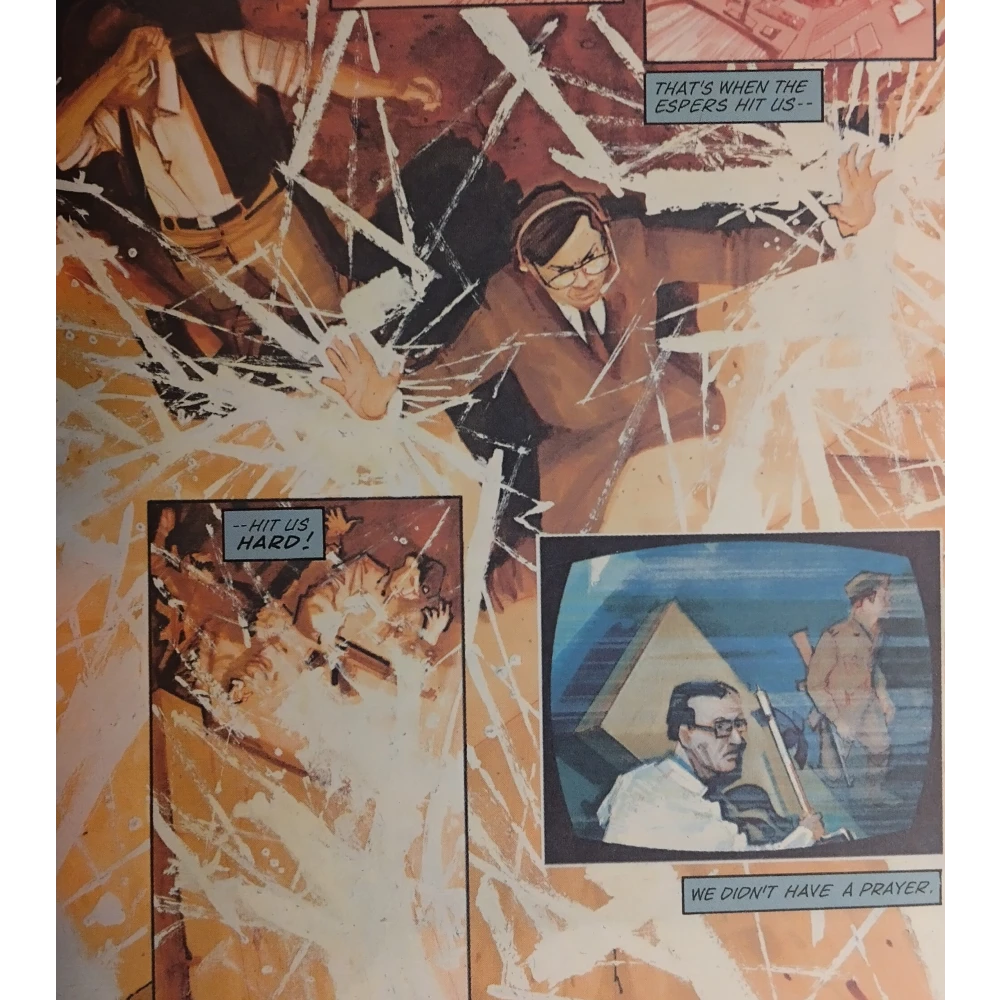
Generally, it's easy to forgive an issue summarizing, in a few panels or a page, previous events. It's a tad annoying but understandable. Hudnall takes my frustrations a step further in Interface, because though he intertwines recapping with some plot elements, he spends the first three issues not only summarizing the original series but re-summarizing the original series! Certain aspects–an attack on a Middle Eastern base, teleporter Maria Rivas' mysterious disappearance at the end of the first series, a confrontation with an Italian gangster–are depicted twice across three issues by Paul Johnson; regardless of his artistic ability to convey nicely painted, somewhat abstract backgrounds and photorealistic faces, Johnson is tasked with relaying the same information more than once. Kudos to him for being creative and at least offering different angles on the same sequences.
We are offered story reasons for why Hudnall chooses this route: employing a multi-character, first-person narrative style found in tales such as "Kraven's Last Hunt," Hudnall is working to unpack the aftermath of the first series through several characters. Our heroes are reflecting on all that happened, that arch-fiend from the first series is piecing together events, even that Italian mafioso is running through his memories to sort out certain circumstances. Everyone's trying to make their peace with the past, which makes sense, but to so densely pack in recurring images from the prior story rather than allowing our characters to work their pains out in the present damages Interface's flow.
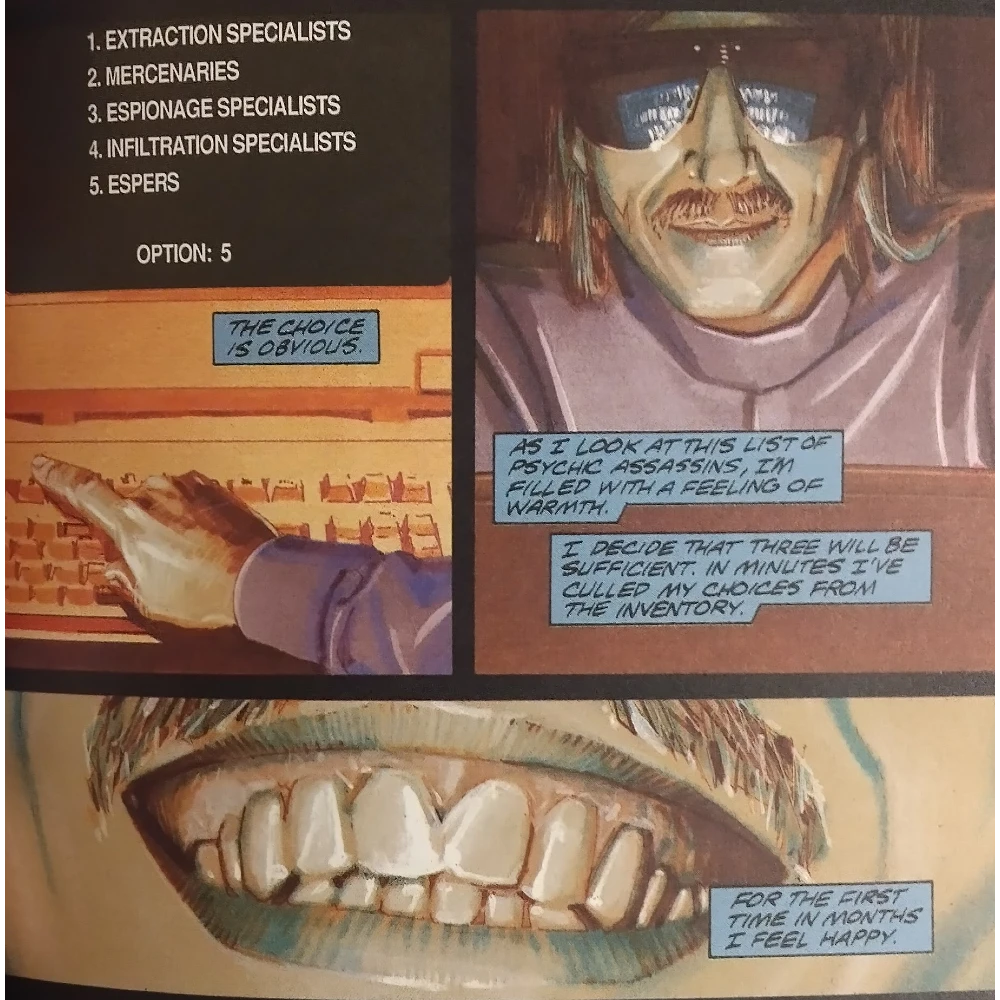
In an epilogue, Hudnall defends his storytelling decision by noting he wished to write a narrative where each character experienced events in an incomplete fashion, that only by having all the pieces together did the full story make sense. It's a noble sentiment, and outside of the flashback elements, the idea works well in providing our central cast tension, be they hero or villain. Hudnall crafts a screwball comedy without the comedy, wherein certain events do occur because folks have only partial pictures and lash out in their ignorance. Such events lead that Italian gangster and our previous archenemy to seek revenge against the Espers individually, leading to an explosion of chaos and violence as the stakes are ratcheted in the second half.
All of that works fine to me, and Hudnall capably plays out certain characters' ignorance to great effect, now that the audience is completely caught up. You didn't need three issues of, largely, summary to get us there, but once we're in the know, we can watch our principal players act out their obliviousness, crafting fine tension, making mistakes, and stumbling around in confusion. It dawns on the reader sooner than our Espers that they're under attack from different forces; watching them unravel these larger plots against them is where most of the fun comes from, particularly when they use their abilities to combat other Esper threats in a few tense, entertaining action sequences.
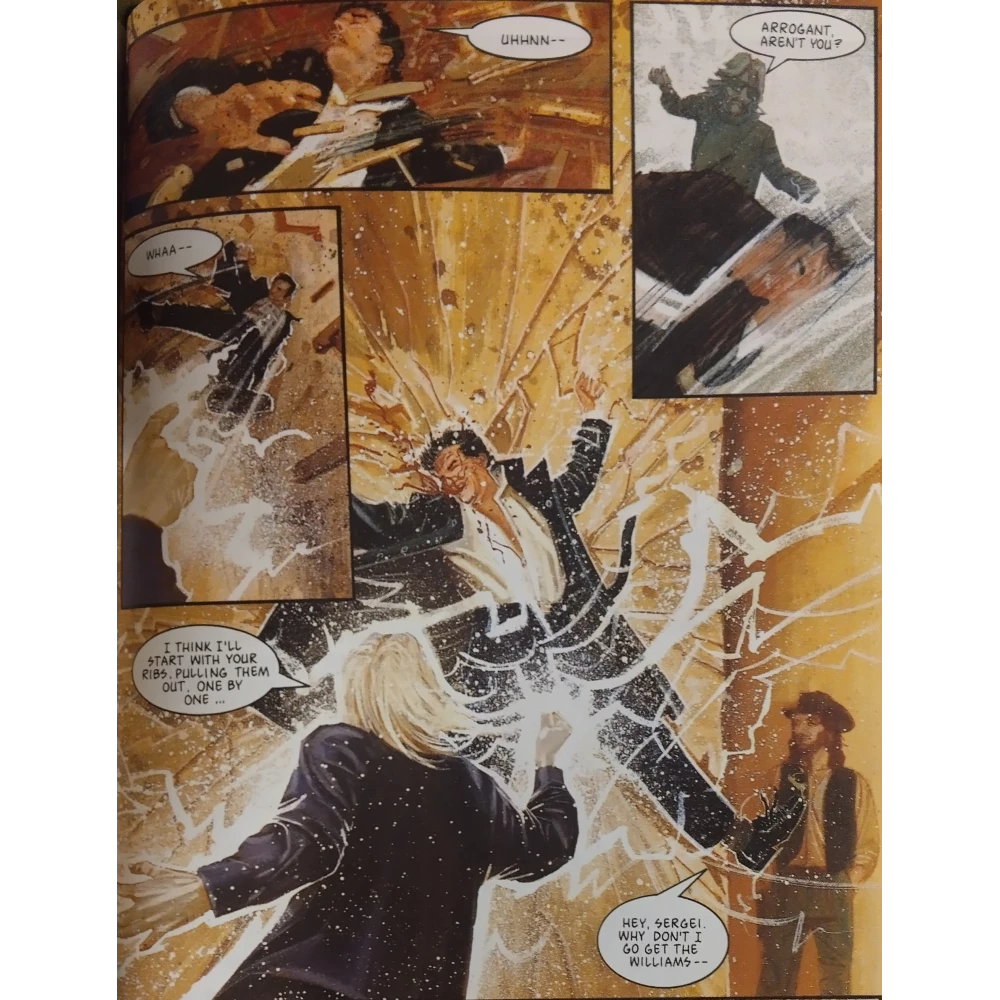
Those "other Esper threats" figure nicely into an idea I felt Hudnall was teasing in his initial series: the world has changed with these new superhumans on the scene, yet humanity's own obliviousness has kept society at large safe. Hudnall hammers home, rather significantly, the impact of that blissful unawareness being broken; not quite shattered, but chipped away at enough to indicate the dawning of a new world. Quite a bit of worldbuilding happens in this series, which is a nice touch to deepen the overarching narrative and superhuman power struggles Hudnall is developing…
…though it, along with the exposition-laced opening issues, does take away from any deep characterization. Unlike the previous series, Hundall provides no text pieces to reinforce any backstories. Any change for our heroes is carried over from the previous series–one character winds up with amnesia they must recover from, while others decide how to handle their lives in the wake of earlier events–and development on their end is limited. Hudnall's most interesting character winds up being his new arch antagonist, the aforementioned mafioso, who actually receives decent motivations and an unfolding backstory, buoyed by increasing paranoia. He feels the most real of all Hudnall's cast.
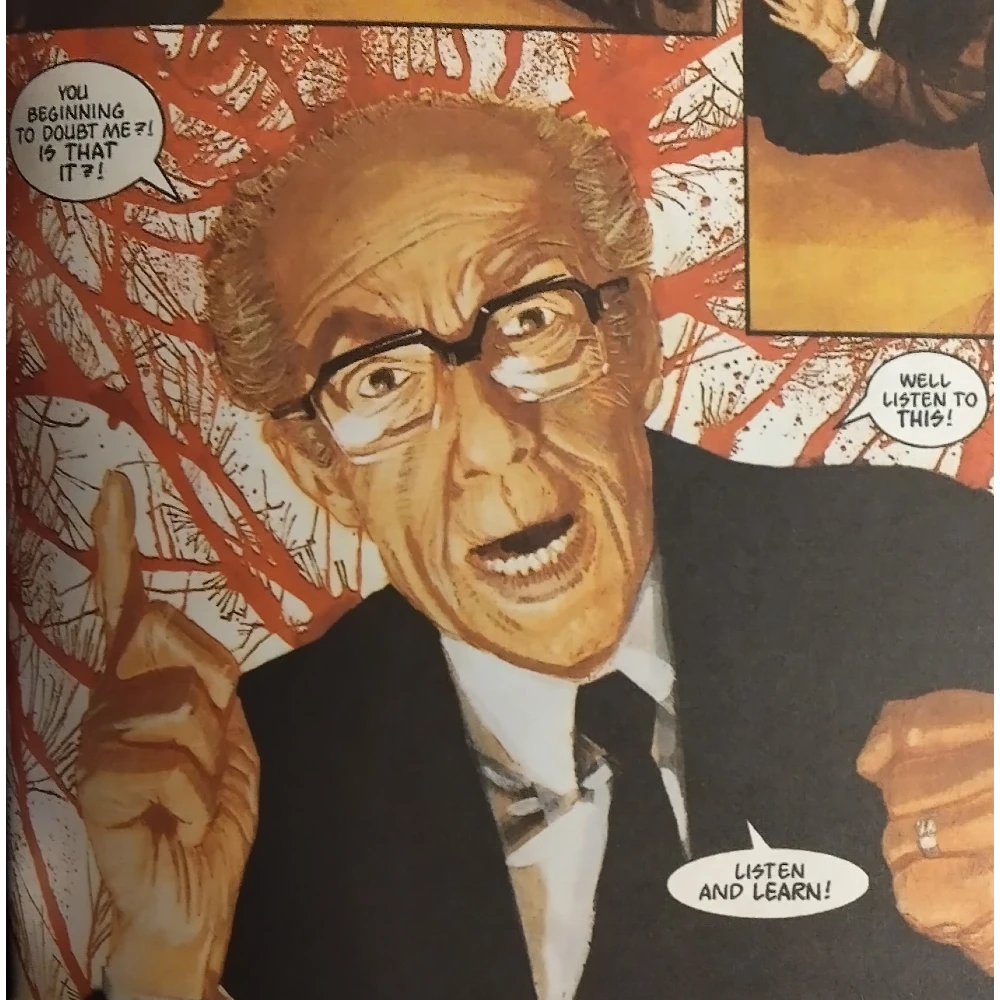
So some of the same problems creep into this series as they did into Espers, particularly how Hudnall handles his characters. He's far more invested in a multi-layered plot which combines some engaging set pieces with a dollop of conspiracy and espionage rendered neatly by Johnson's painted characters and extensive palette. Heroes with better defined motivations, deeper backstories, and stronger personalities would have elevated Interface, particularly if those elements took the place of Hudnall's plot summaries. Perhaps Hudnall's switch to Epic is more to blame than anything else, his need to inform new readers of all that happened in a series published under a different company's banner superseding streamlining exposition for the sake of a deeper narrative.