Distinguished Critique: Batman: Dark Knight, Dark City Review
Fascinatingly unsettling, these stories pit a staunch defender against evils both tangible and esoteric
—by Nathan on March 20, 2026—
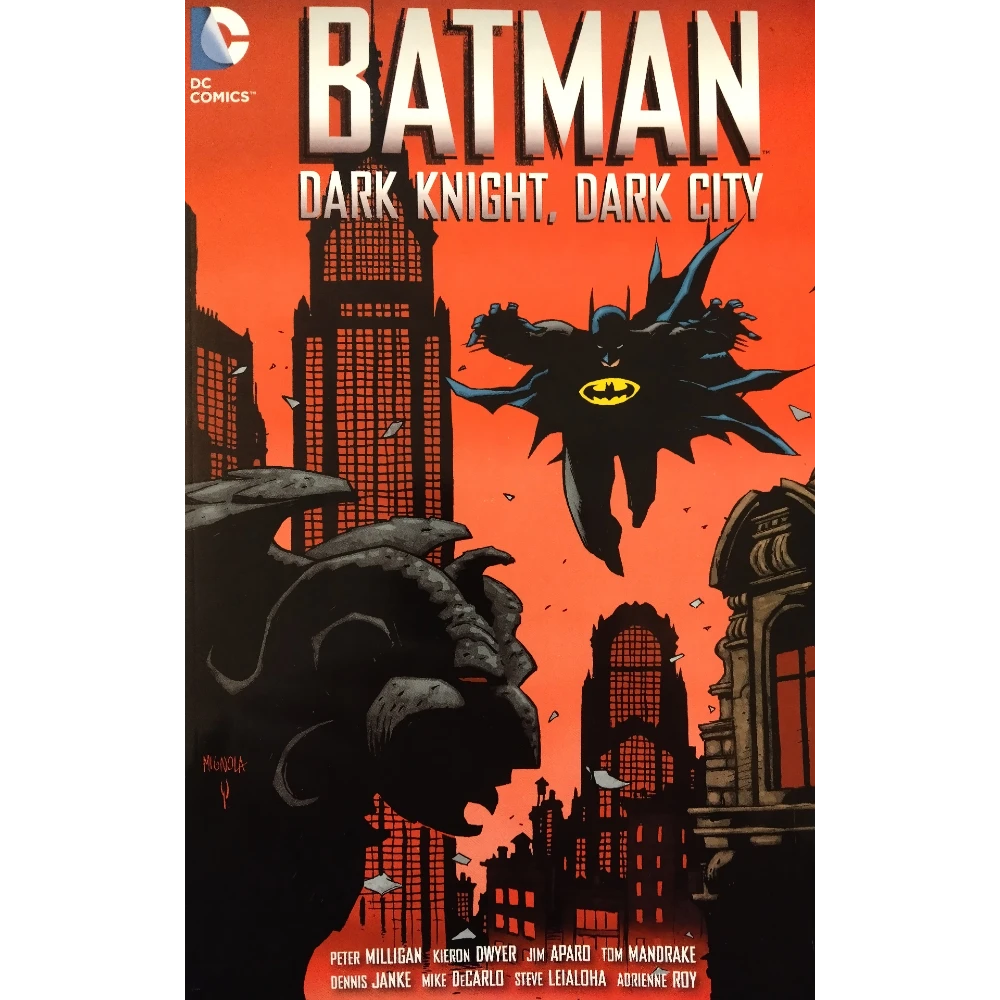
We move from the tail end of the 80s into the dawn of the 90s with this review, drawing a bit closer to Batman's climactic showdown with Bane and the resulting effects of that particular "fall from grace." Today's review deals with a volume collecting a chunk of celebrated writer Peter Milligan's contributions to the Batman mythos across both the Dark Knight's titular title and its sister series Detective Comics.
I am more aware of Peter Milligan than I am familiar with his actual work. I've picked up stories and series he wrote–Shade, the Changing Man, Skreemer, his Animal Man run–but I've yet to dive into those narratives. I recognize he's considered a heady writer, perhaps one reason he was selected to follow Grant Morrison's run on Animal Man (and perhaps one reason why Morrison would look to these issues for inspiration during his own time on Batman). While this volume doesn't provide the entirety of Milligan's work on both books, it certainly provides us with the most important stories from his run.
Important to the somewhat tenuous, overarching "Knightfall" facet of these reviews, today's volume leads directly into the Batman issues covered in my next review, focused on Tim Drake's development as Robin. The Riddler also plays a significant part in the included "Dark Knight, Dark City" arc after which this volume is titled, and he'll show up during "Knightfall" as well. Perhaps most importantly, I just really wanted to review these issues, delivered by a master storyteller giving us a different look at the face of Gotham.
Batman: Dark Knight, Dark City
Writer: Peter Milligan
Penciler: Kieron Dwyer, Jim Aparo, and Tom Mandrake
Inkers: Dennis Janke, Steve Leialoha and Mike DeCarlo
Colorist: Adrienne Roy
Letterer: John Costanza
Issues: Batman #452-454, Detective Comics #629-633
Publication Dates: August 1990-September 1990, May 1991-September 1991
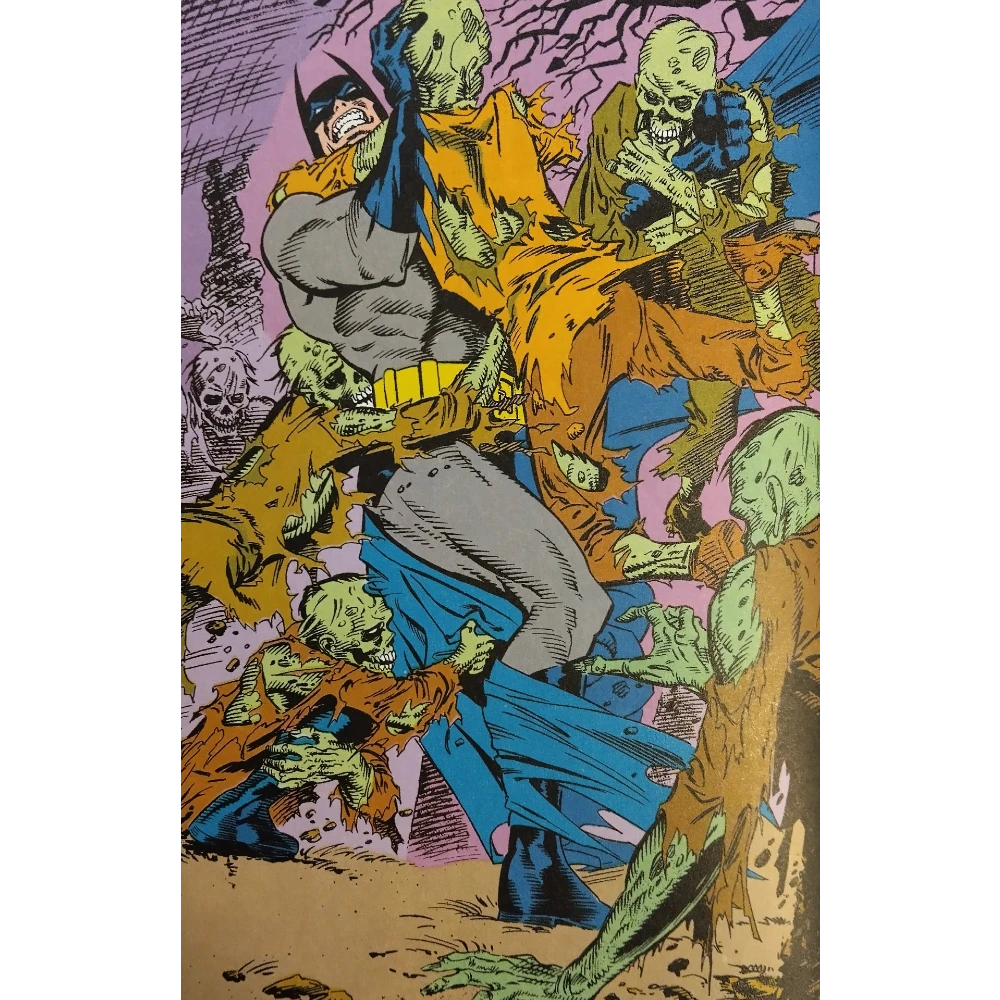
Though the collection is named after the three-part "Dark Knight, Dark City" arc in Batman, it includes other issues which contribute to an important thematic throughline: Peter Milligan's capability at gussying up the groundedness of post-Crisis Batman to make the bizarre feel at home in the ghostly, ghastly streets and alleys of Gotham. These pages are haunted with the possibility of deeper attachments to the arcane, yet they don't feel out of place…surprisingly.
I've quibbled a bit recently about how I like my Batman stories relatively free of mysticism. Batman's a prowler, a skulker over rooftops, friend to the shadows. He speaks in terms of fists to faces and boots to pelvic bones. Yet Milligan, though he doesn't change my mind about tales with actual spirits or ghosts or magic, asks to stretch my imagination towards accepting the plausibility of the strange and macabre within the groundedness Gotham provides, the relative arbitrariness in understanding something deeper, more esoteric may linger beneath the surface without needing to accept it as fact.
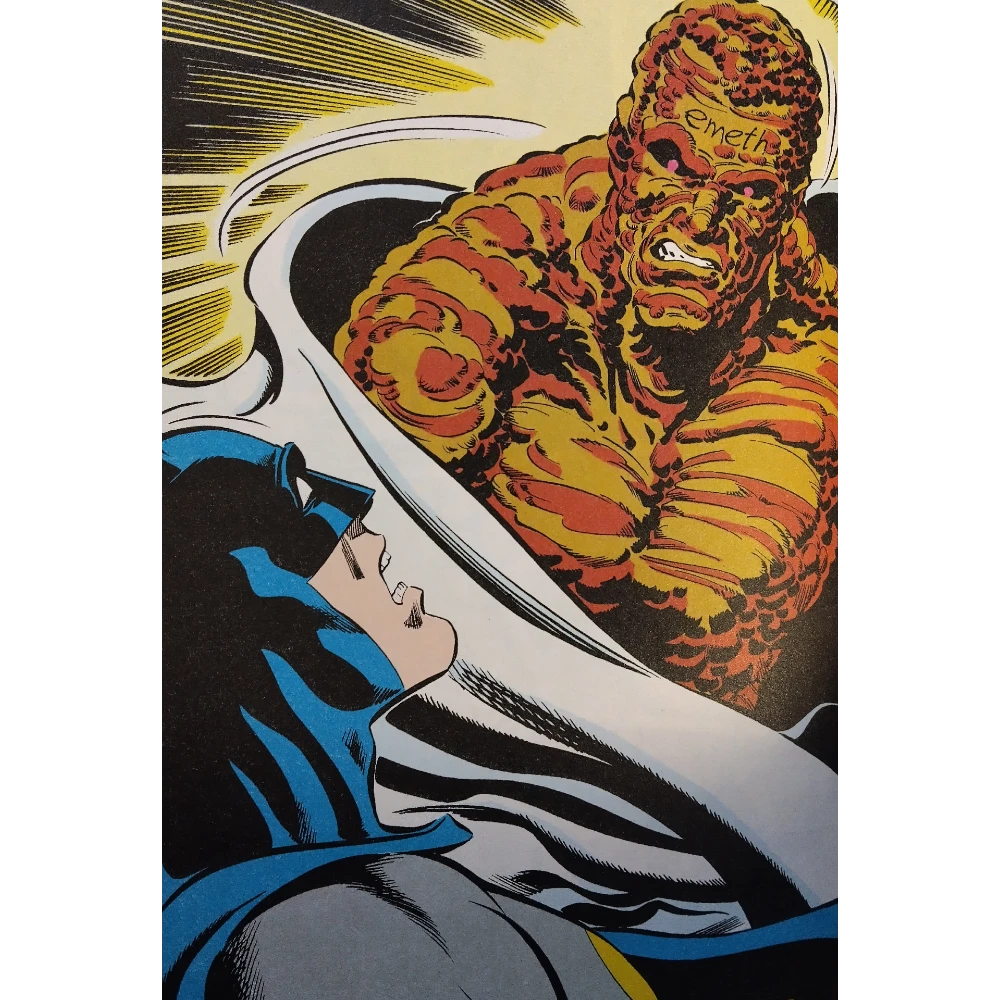
I'm not saying such a theme is intentionally strewn throughout the volume; knowing Milligan worked on at least few other issues than those presented here, I'd argue whoever compiled this volume cherry-picked the Detective Comics issues they felt best complemented "Dark Knight, Dark City." It's a strong selection. "Dark Knight, Dark City" deals with the possibility of demonic forces and occult powers, so it's a fair accompaniment for the following Detective Comics issues to handle possibly cursed grass, a potentially mad Bruce Wayne, the oddity of a two-headed assassin, and an avenging golem ripped right from Jewish folklore.
Notice I keep using vague terms such as "possibly" and "potentially," and this is where the fun of these issues is found: Milligan masterfully uses each narrative to create suspense in the likelihood that a deeper, less tangible darkness exists in the events spiraling through each arc…or does it? "Dark Knight, Dark City" features the Riddler taking a grim turn towards the occult, reveling in the opportunity to summon what could be a very real bat demon; Detective Comics issue "The Hungry Grass" sees Batman engage a villain who uses potentially magic grass (the type from your front lawn) to murder people; the aforementioned golem is sicced on American Nazis by a survivor of the Holocaust.
And yet…
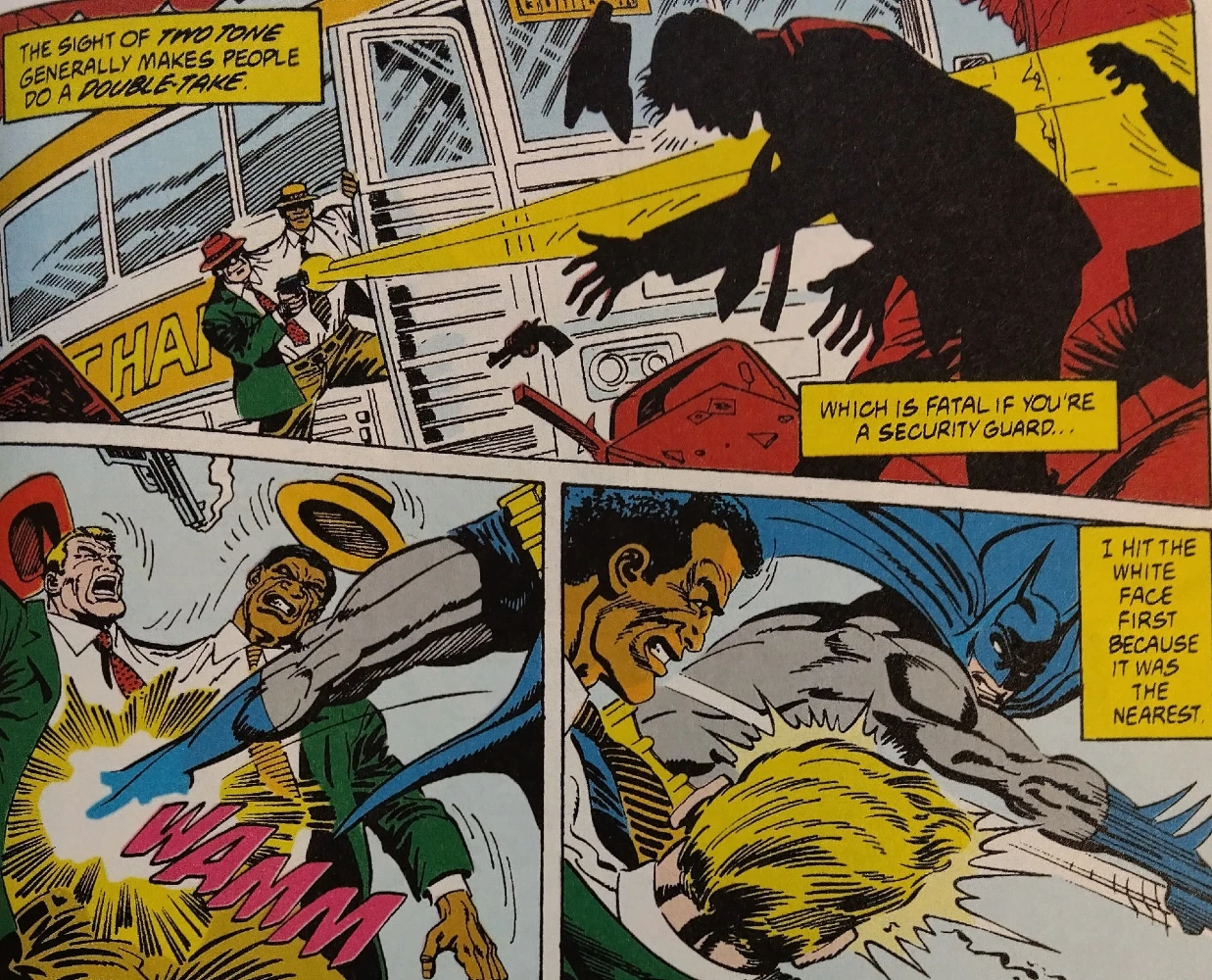
Milligan isn't necessarily looking to toy with ambiguity, at least not for long. Each story ends in a satisfying manner, often in a twist you realize was entwined throughout the issue(s) the entire time. Nothing is left unresolved…things may just be resolved in ways you may not expect. For fear of spoiling specifics, I'll keep using those vague terms myself, but for each story presented, Milligan artfully guides the reader to conclusions worth reading and, hopefully, re-reading.
"Dark Knight, Dark City" is the longest and best example of this–though the Detective Comics issues consist of a few largely one-and-done narratives, "Dark Knight, Dark City" is a gripping four-parter. Centered on the Riddler, whose schemes (as I noted) lead him in decidedly fanatical fashions, the tale ups the ante for our Dark Knight Detective as he scrambles to find the logic within the fiend's madness. Riddles abound, as they are wont to do when Edward Nygma is around, yet the villain's penchant for the puzzling is given a darker bent. He's more ruthless, kidnapping infants and putting them in harm's way, leading Batman through an exploding blood bank, and either murdering or nearly murdering several others. Mere derangement on the madman's part…or something of that deeper, darker variety?
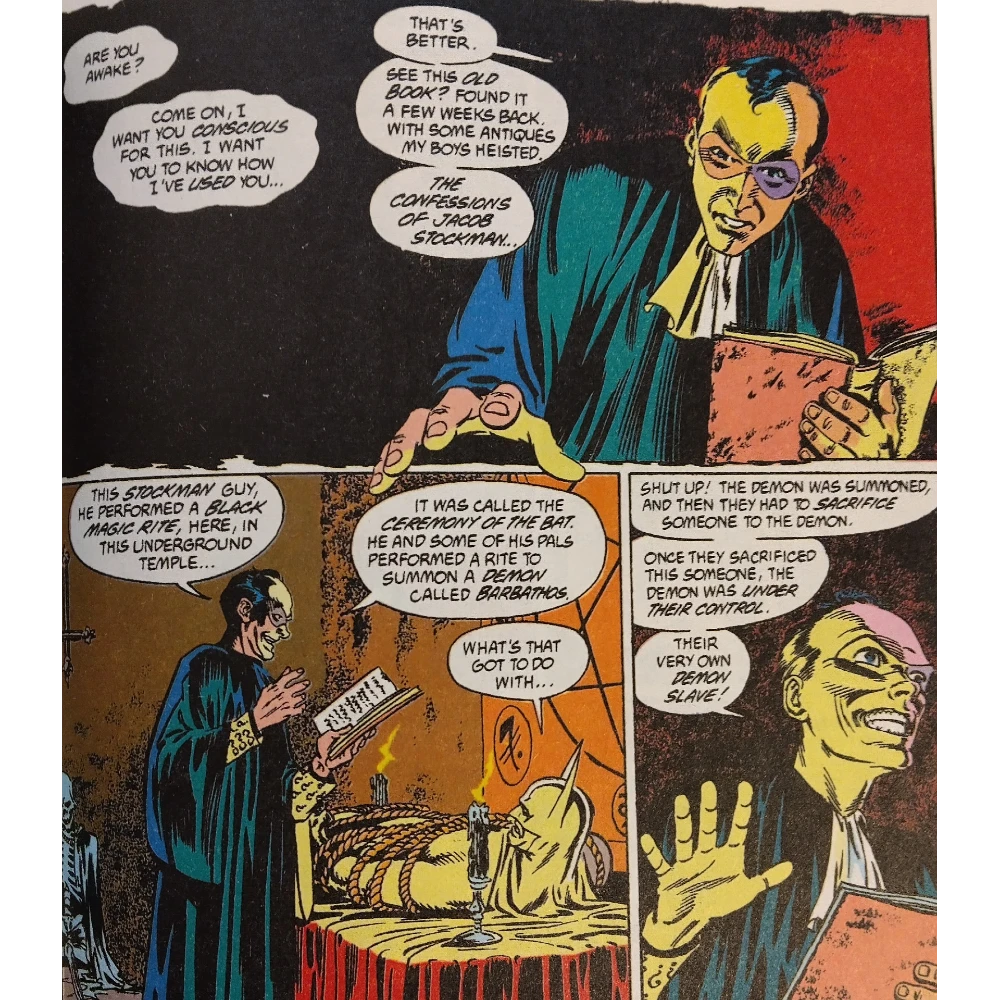
The reader is asked to grapple with the ambiguity as long as Milligan allows, and though he does provide concrete answers by the end of each story, you're meant to linger. "Dark Knight, Dark City" revolves around the occult, specifically some of Gotham's founding fathers (and one of America's own), and the spiritual darkness which could explain the root of the evil which has always plagued the city. Milligan toys with the fact that this is perhaps the very same darkness which birthed Batman himself or which will prevent him from ever finding solace. The question is posed, at the very least…now you must decide.
"Darkness" and "evil" themselves also seem ambiguous terms for me to use, which strikes me as part of the point: evil is evil, regardless of form or reason. The Riddler becomes a twisted, devious murderer, his games given a grittier edge; a former inmate claiming innocence attempts to become a suicide bomber to enact vengeance on the city that spurned him; a Holocaust survivor takes steps to eradicate the same evil he saw rise decades earlier. It could be commentary on comics as they matured in the 80s, that the lines dividing morality and immorality are blurred. Batman became a darker character, and not only did his villains follow suit, but so did the city around him. The Joker went from trying to trademark fish to paralyzing Barbara Gordon; the Riddler goes from leaving funny little puzzle boxes to kidnapping infants and forcing Batman to perform a tracheotomy on a baby in a sewer.
Yeah, you read that right.
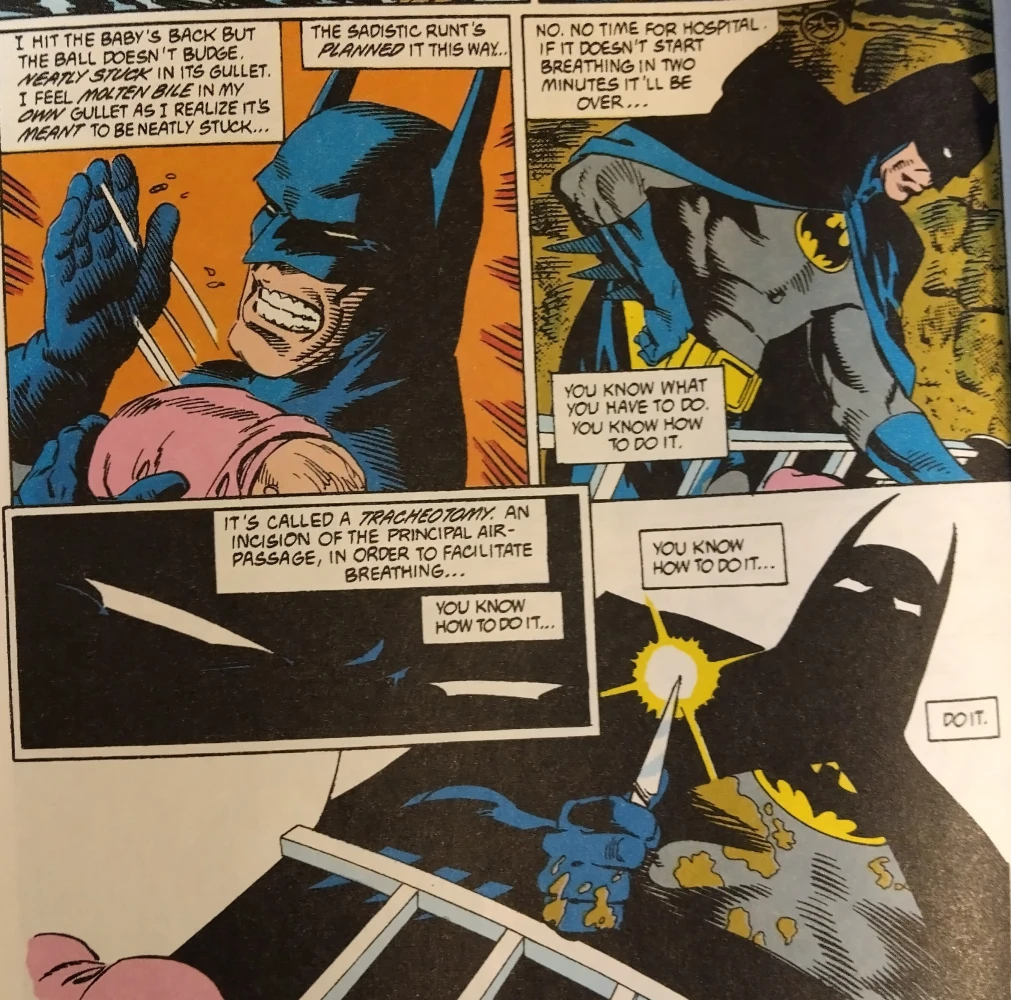
Which leads to another level to Milligan's work, one more tactile: though ambiguity plays into each story, and though evil is sometimes presented as intangible, its effects are very real and very harmful, adding a distinct flavor of terror. Let me repeat: Batman performs a tracheotomy on a baby in a sewer. Specifically to keep the little tyke from suffocating on a ping-pong ball. That's more horrifying than any occult ritual to summon a demon. Similarly, Batman is forced to stab a dog to keep it from ripping his face off; the golem, though a mystical creature, strangles and breaks necks; the two-headed assassin adheres a man in a wheelchair to a ceiling before strapping a bomb to him. It's very casual, this grim facade over Milligan's stories, painted with an ease that shows how deep this darkness must be that someone like the Riddler can go from providing prankster-ish puzzles to nearly murdering a baby.
Yet all those shadows help highlight what Batman must be in response. Milligan isn't the first or last writer to play with the fascinating concept that Batman dresses as a dark creature of fear to inspire terror in some and, in seemingly contradictory fashion, inspire hope in others. When locked in a burning cellar with a young woman, Batman attempts to console her when she expresses uncertainty about what he is. "I'm just as trapped and scared as you are, miss," he tells her, depicting the humanity beneath the symbol he's created. Reflecting on the possible occult darkness which might have led to his creation, Batman questions whether it matters. In the end, he's a man in a costume, working to make people see him as something greater when he must be greater, yet willing to become just as vulnerable as other people when they need him to be just like them.
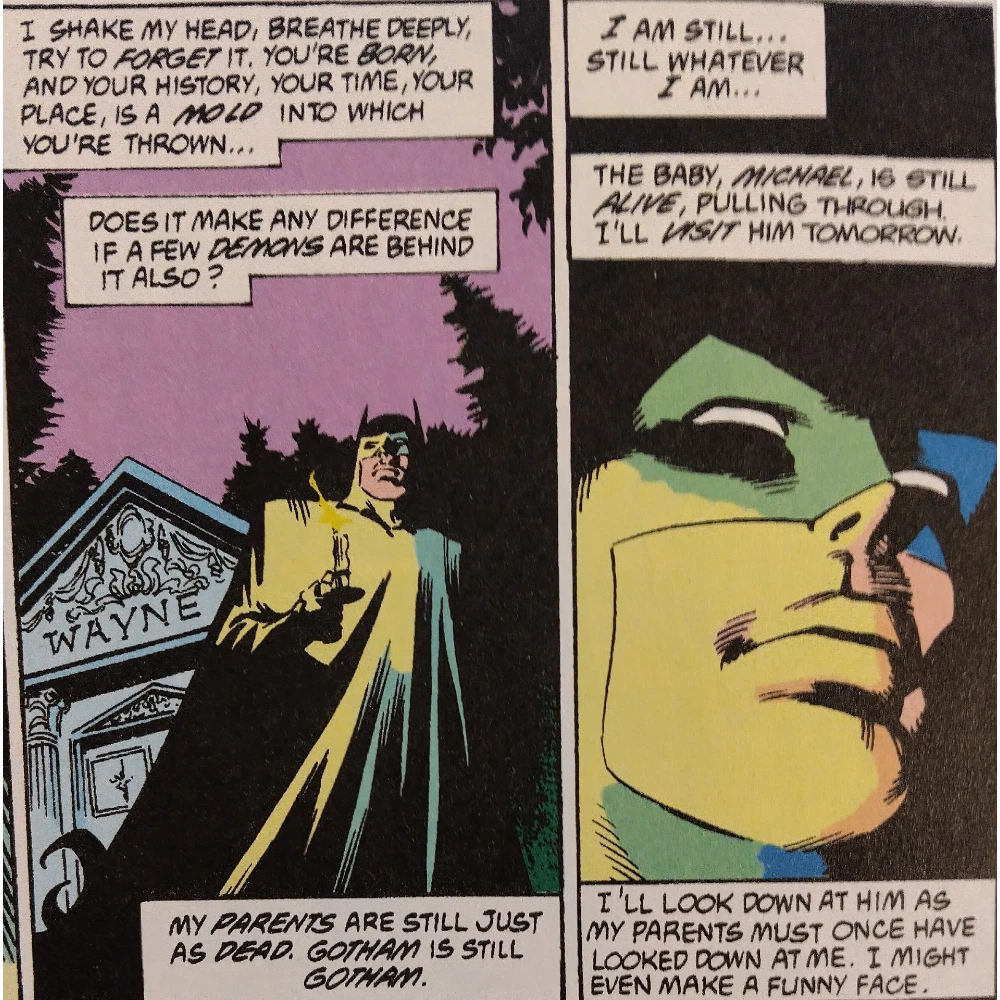
I've seen enough chatter online to suggest these issues aren't exactly overlooked, but I have not ever seen them slotted in the same category of "famous" as other narratives produced during this era. For the way Milligan develops the Riddler alone, this trade is worth grabbing, yet the other stories are just as strong. Milligan dances with demons and darkness, pulling the curtain aside just a tad to make you curious what lies on the other side, whether superstition has an actual foothold in the sinister currents winding through Gotham or whether it's merely window dressing to more solid evils. You see it through Milligan's characters. A puzzle master fascinated with the occult. A Holocaust survivor taking revenge on Nazis. A former convict seeking to give Gotham a measure of his own pains. And a Dark Knight Detective, cutting through the clutter and the noise, rescuing babies and saving a city clawing itself apart while always making sure his sense of self is grounded in what that city desperately needs him to be.