Distinguished Critique: Batman: Venom Review
A slightly rushed second act and simple villains are buoyed by a strong premise and frighteningly conflicted hero
—by Nathan on April 26, 2026—
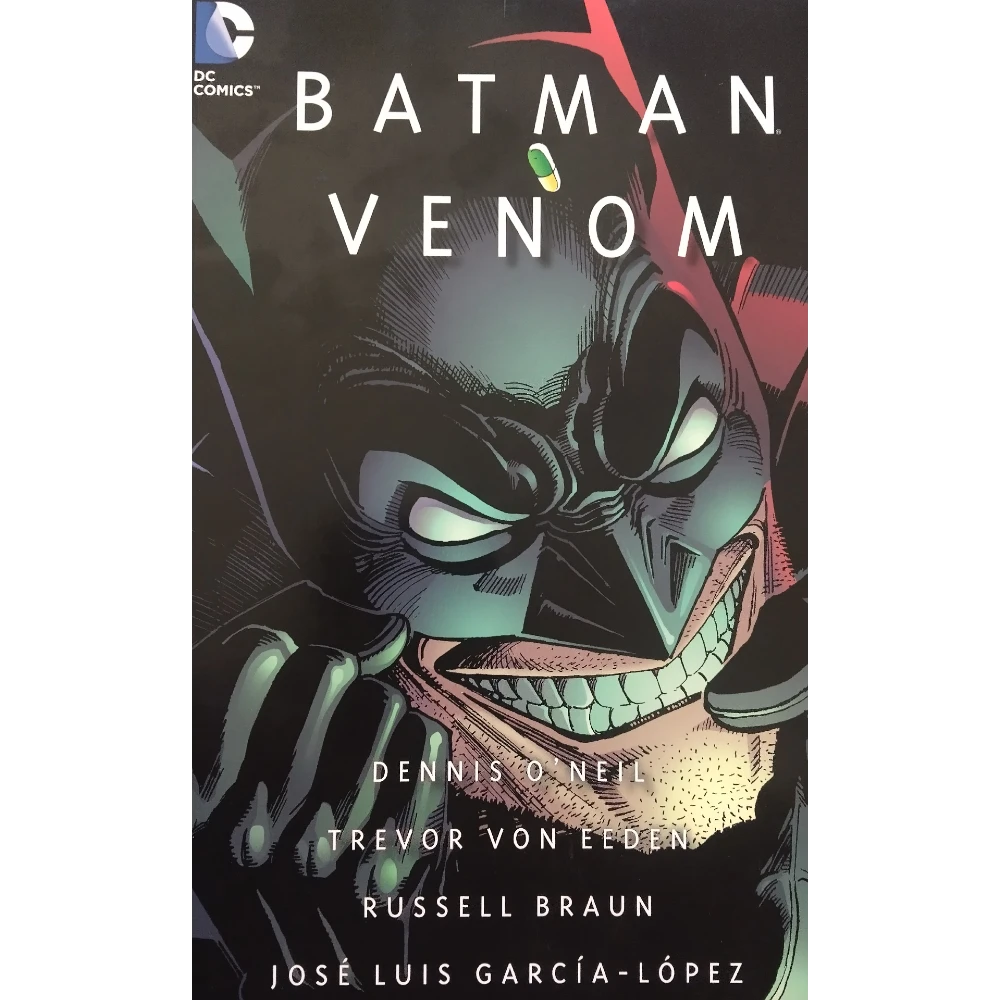
We are still in a phase of "prologue" blogs building to the crossover event known as "Knightfall," but my previous posts have really been prologues to the prologues, as with this review, we pick up the pace towards that fateful face-off between Batman and Bane.
This is the narrative which kicked off the whole "Let's read comics in preparation for 'Knightfall'" idea and truly serves as a lead-in to that famed arc. Yeah, other blogs have had their connections–"Tim Drake is the main Robin of the 90s," or "A blond guy takes over the Bat-mantle after Bruce is injured," or "Oh, hey, Anarky pops up on occasion"–but here, we're dealing with a genuine plot development that will return when Bane comes barging in on the scene.
I've been reviewing the periodic Legends of the Dark Knight arc, covering the three narratives directly preceding this tale. The goal of that series, as you're most certainly aware, was to grapple with some element of our Dark Knight's early career, the legends which formed the legend, whether it was Batman battling Hugo Strange for the first time and navigating complications with the GCPD or Bruce finding a new, somewhat esoteric layer in his decision to dress up like a bat. Dennis O'Neil, who wrote the inaugural Legends arc, "Shaman," returns to the title, developing a tale which is, from what I've heard, not only a highwater mark for the book but also considered to be one of the greatest Batman stories of all time. If you've heard of any one story from Legends, it's likely this one. And you're also probably aware that it deals with Batman becoming addicted to the same thing which gives Bane his power.
Batman: Venom
Writer: Dennis O'Neil
Pencilers: Trevor von Eeden and Russell Braun
Inkers: José Luis García-López
Colorist: Steve Oliff
Letterers: Willie Schubert
Issues: Legends of the Dark Knight #16-20
Publication Dates: March 1991-July 1991
It's pure coincidence that, in 2012, Tom Hardy played the film version of a comic character powered by a drug that shares a name with Tom Hardy's other film version of a comic character. Whereas Hardy's Bane had an apparatus that released an anesthetic to numb pain he suffered from, the comic version self-administered a special kind of 'roids. But he wasn't the first DC dude to toy with something that would disqualify him from performing in the Olympics.
When coming into a comic like this, one which adds a moral wrinkle to the development of our primary hero, I find the question I often ask is, "Do the creators justify such a decision?" Even Batman isn't fallible, but becoming reliant on performance enhancing drugs to aid his fight in crime is a bit of a line to cross, something which could sound great on paper but wind up feeling forced or patronizing on the actual page. "What if Batman became an addict?" seems like the basis for a neat story–and wouldn't be the first time O'Neil wrote a character abusing substances–but it also has the potential to go pear-shaped. You've gotta create a plausible reason, if only to prevent an army of geeks from crying foul. "Not my Batman!" the masses roar in unison.
O'Neil, to my relief, successfully draws us into a situation where Batman, becoming convinced of his mortal limitations, seeks a method of gaining strength that all his years of training, weight-lifting, and discipline could never have him reach. Torn by the death of an innocent child he wasn't strong enough to save, Batman happens upon the perfect remedy to provide him the physical ability he needs to make sure he never fails anyone again. It's just a little capsule, a tiny pill that provides him additional strength, but O'Neil charts the destructive addiction which comes with Bruce's reliance on something so small.
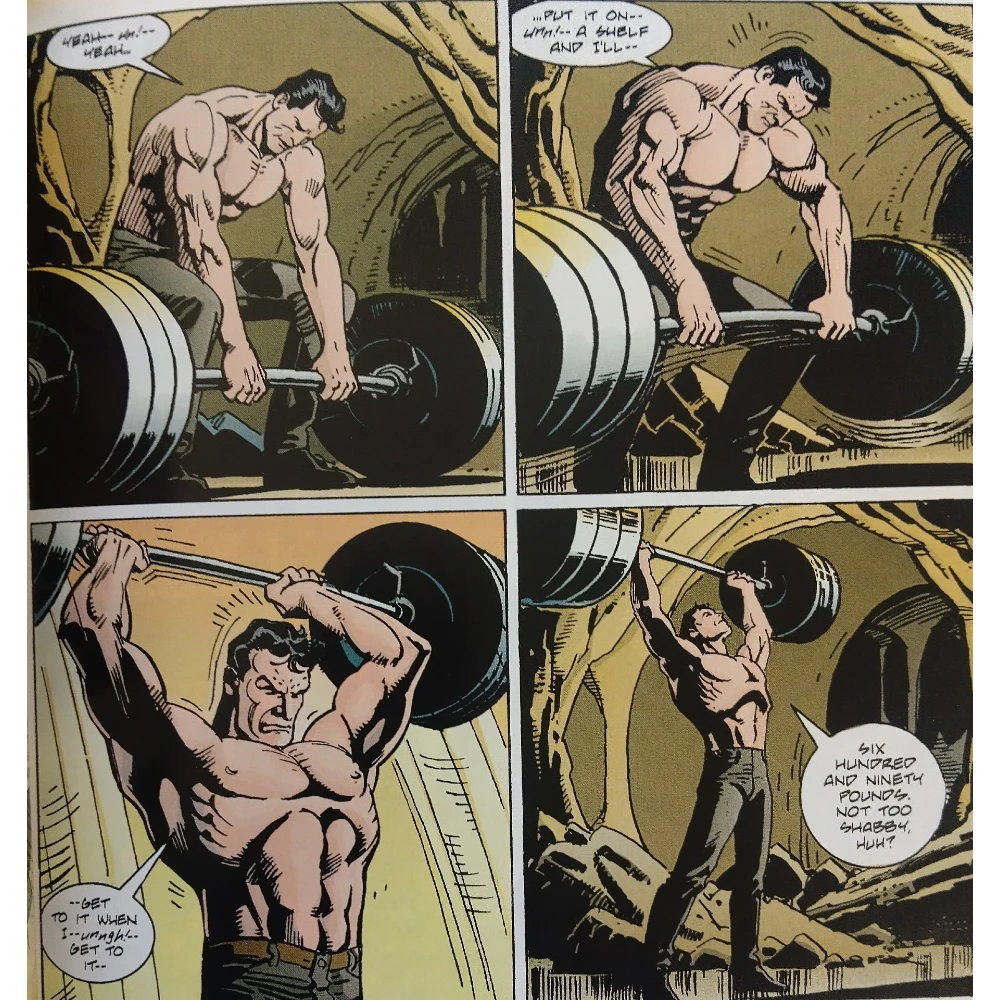
Read this, if you want, as a commentary on drug use or substance abuse, but O'Neil is mercifully subtle in that regard. Never does the narrative dabble in any PSA-style lingo, pointing fingers at drug epidemics or an addict's blatant disregard for their own safety and health. He grabs a page from David Michelinie and John Romita Jr.'s "Demon in a Bottle" arc, choosing to rely on, instead of exposition, the drug's effects on his central character, much like Michelinie and Romita Jr. did with Tony Stark's alcoholism (something O'Neil would get to explore with Iron Man as well). We see Bruce, at first assured of his newfound strength, slowly unravel. There's an odd sense of accomplishment when Bruce triumphantly lifts a barbell weighing 690-pounds, the exact weight as the obstacle which prevented him from saving the child. He's strong enough now…but it doesn't matter, does it? The child still died. And what else has been lost in the process?
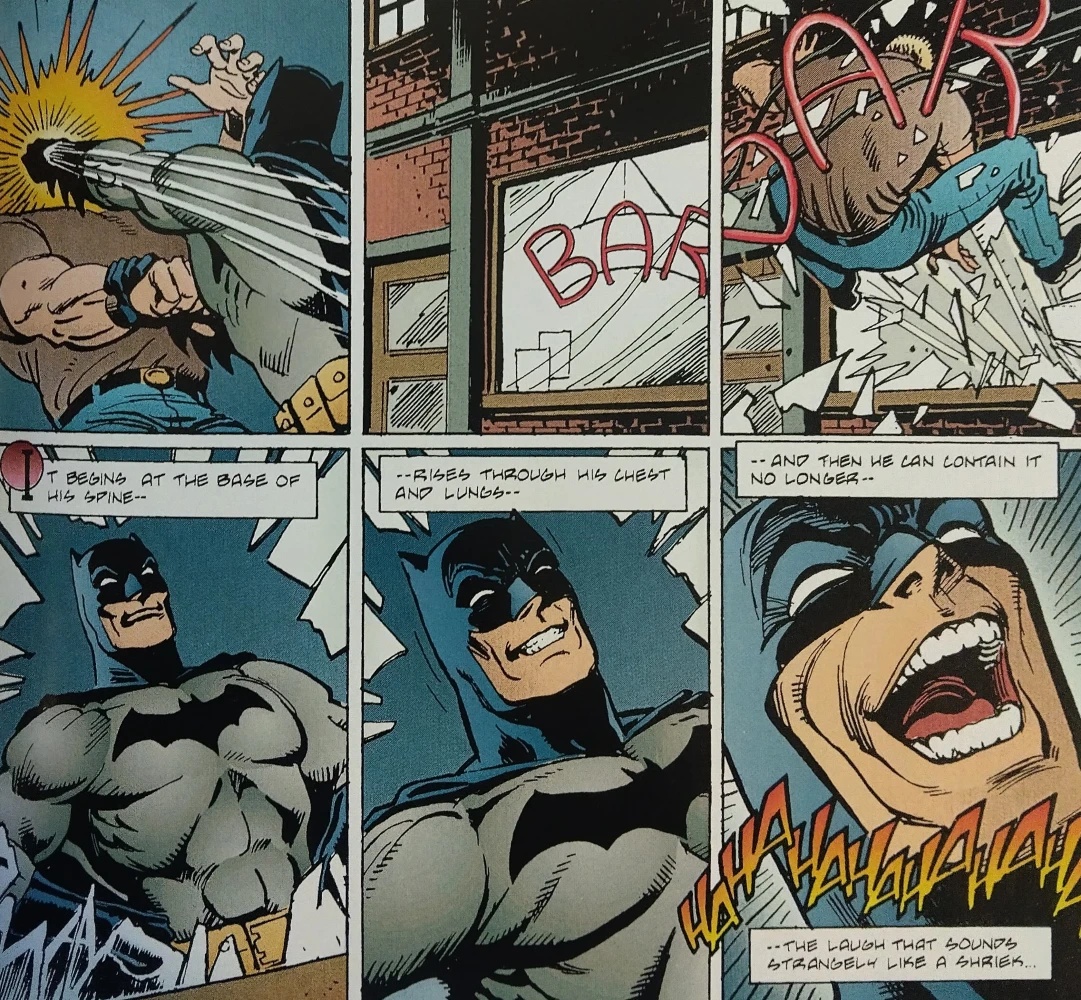
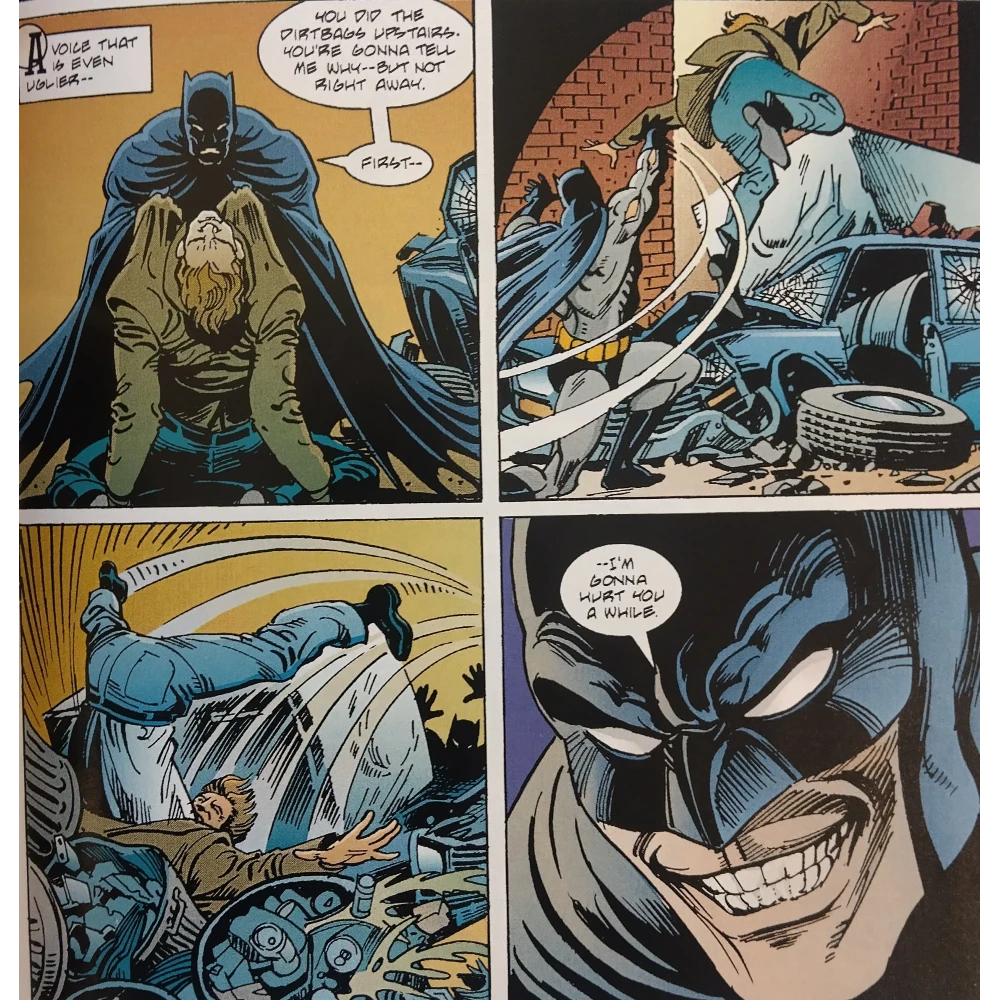
And that's what makes "Venom" largely an engaging story, how O'Neil spends the first half reveling in the brutal realities of Bruce's decision to rely on drugs, as much a coping mechanism as they are an aid in his battle against crime. In one scene, he trashes thugs who beat him earlier in an issue, crossing the line between meting out justice and taking revenge. In another, Bruce forgoes his costume entirely, wearing a trenchcoat and hat and beating thugs in a bar, concern for his secret identity be hanged. He chastises James Gordon for smoking, noting the addictive nature of nicotine, O'Neil fantastically leaving the hypocritical implications to the reader. Bruce's mannerisms shift and faculties become hobbled, evidenced in creepy laughter and declining intelligence and motor functions. What begins as a fairly noble pursuit–seeking to become the best Batman he can be, even if it is "cheating"–is quickly, ferociously sidelined. Batman winds up an errand boy of sorts for his supplier, unknowingly becoming engaged in a broader plot.
The motive and the process feel justifiable, O'Neil working to have Bruce fall into this yawning trap by inches instead of a plummeting descent. The reader is always aware this will never go anywhere good, but you're convinced of Bruce's blindness. Not obliviousness, so much as voluntary ignorance. So devoted is he to his cause, Bruce forsakes some of the logic which generally makes him a remarkable tactician…and yet, you can't fault the story for treating him that way. Before you know it, he's reached a point where reason is hindered extensively. The pieces work well together to push him to that point.
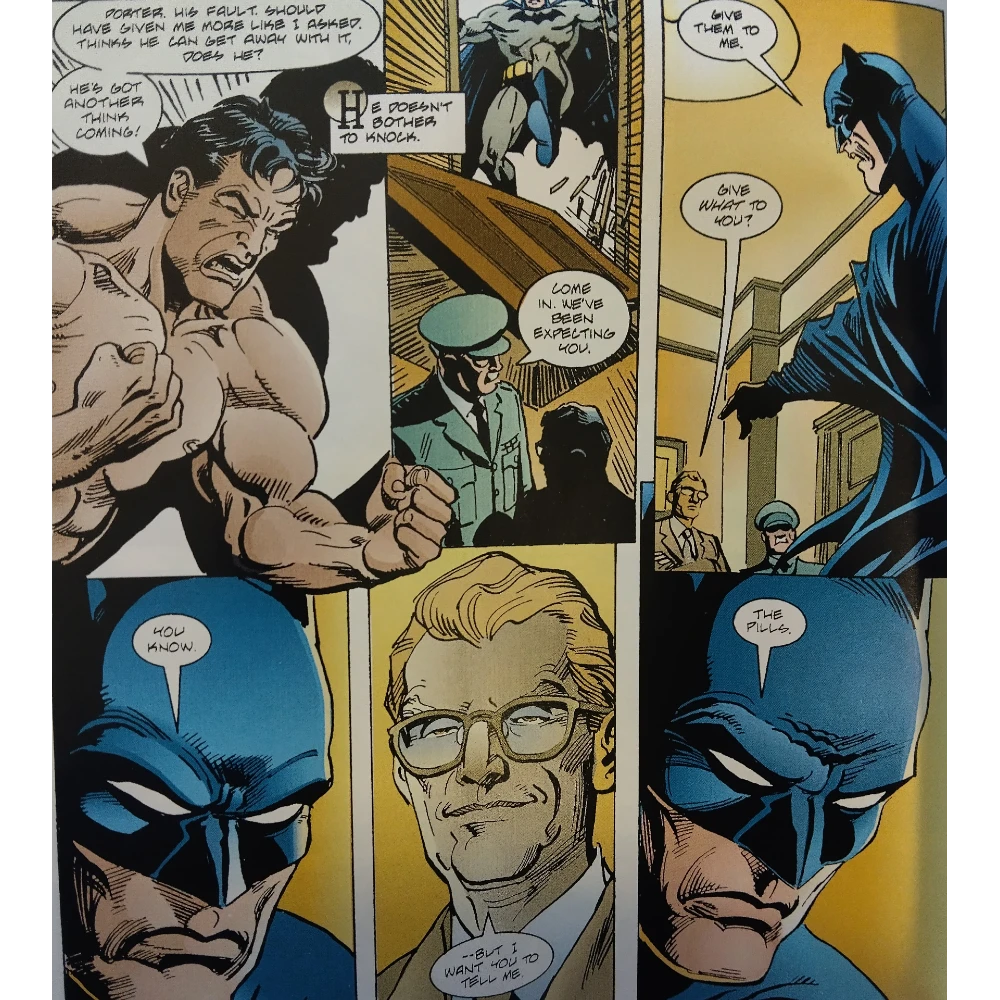
Around Bruce is crafted a spiraling story which feels born from O'Neil's need to give Batman a drug addiction. I would wager O'Neil determined he wanted a narrative where Batman became reliant on drugs and then built up a plot around it. The result feels rather slapdash, particularly when our primary adversaries are concerned. They're twisted men, with twisted schemes, who eventually set up shop on a Caribbean island, where Batman spends some time fighting their thugs and outwitting their plans. A bit of tragic drama is introduced when another young man falls victim to the power promised by Venom, creating a dark parallel to Bruce's own journey. So there's a hint of theming introduced, but it's done sparsely, more for the sake of having Bruce fight someone juiced up on the drug once he's gone through withdrawal. If anything, the issues featuring regular, typical Batman fighting strengthened goons is meant for us to appreciate how Bruce relies on his own skills and cunning. He never really needed that dastardly drug after all! "I say, good show, Master Bruce!" a certain butler might chime in.
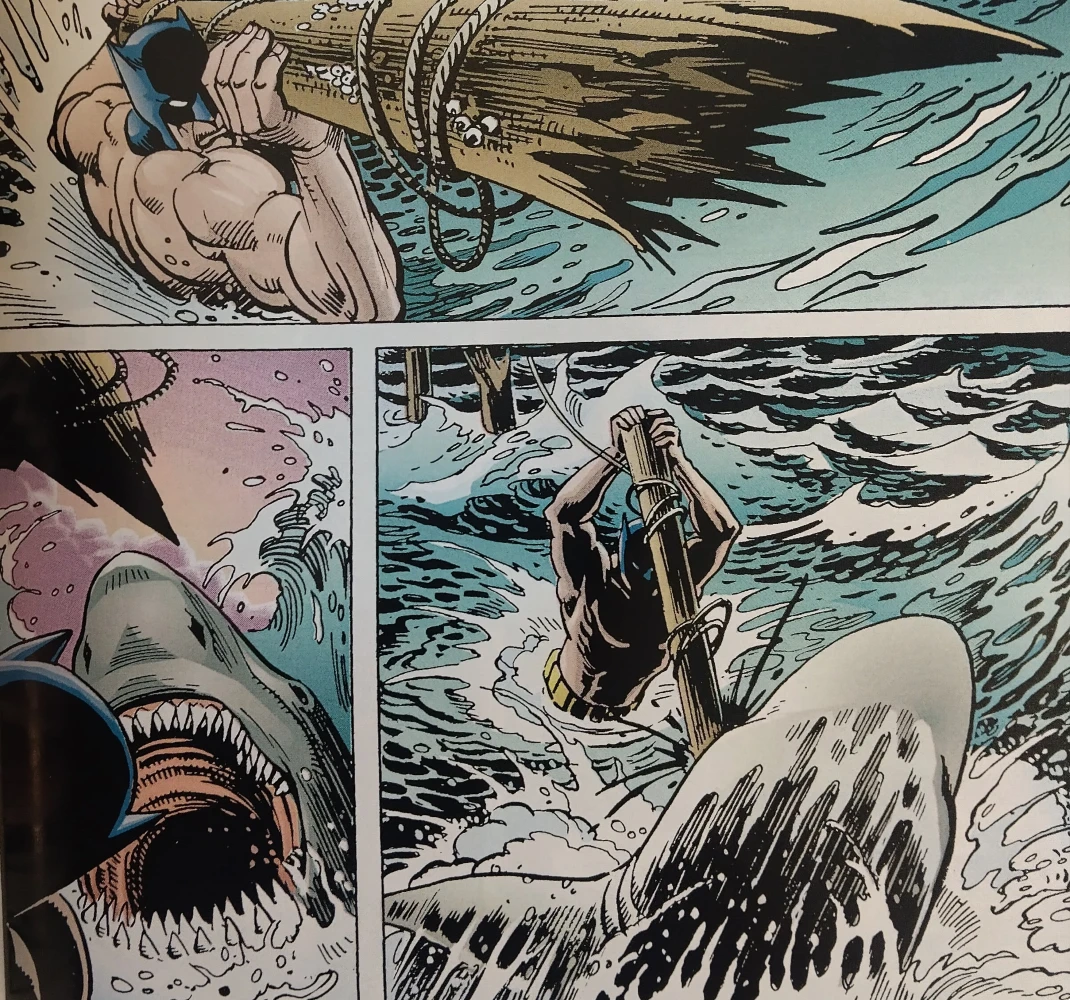
He does fight a shark, and without an ounce of repellent, just pure muscle, so that's a pretty awesome sight.
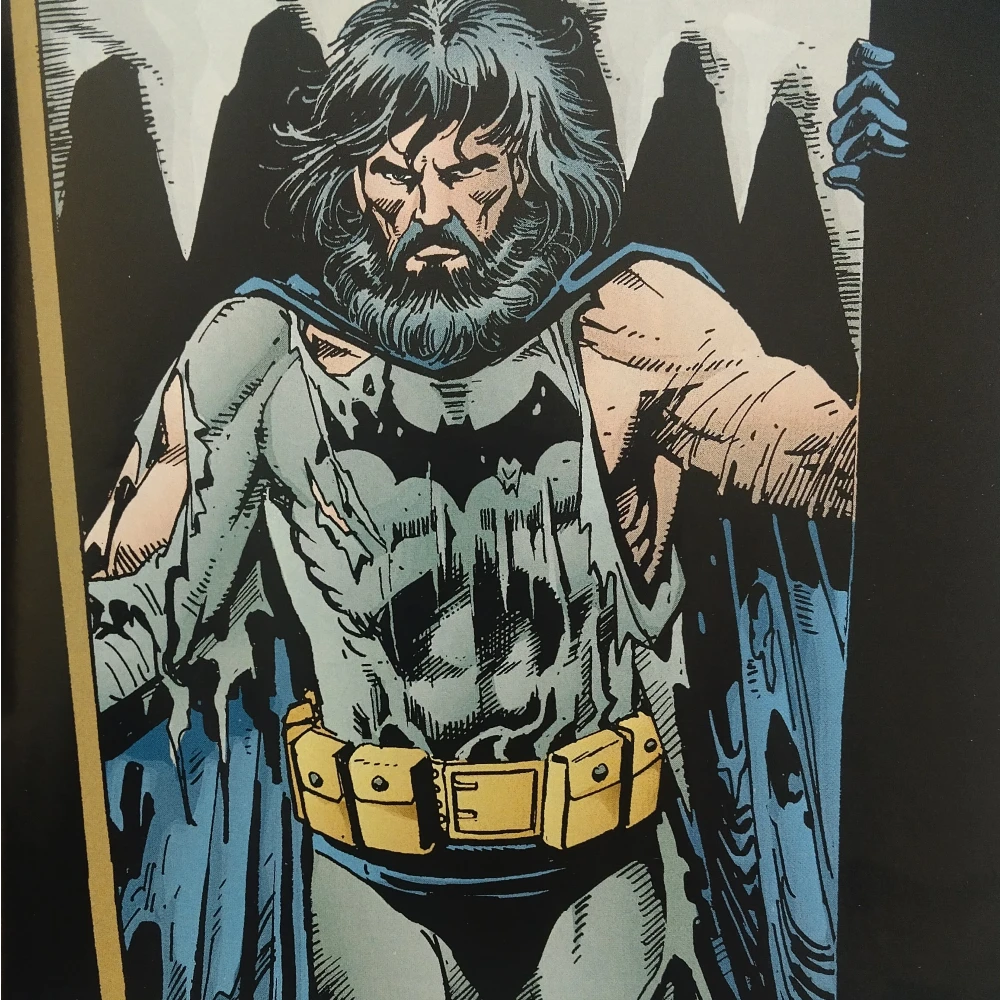
The withdrawal itself–which I guess isn't much of a spoiler, as you know a thirty-five-year-old story didn't end with Batman OD'ing on Venom–feels somewhat rushed, slotted into the very middle of the arc and taking up a handful of pages. The concept is set up decently, Batman forcing himself into the depths of his cave for a month to shake off Venom's effects, but it passes by quickly. Not that we'd want pages and pages of Batman shaking, sweating, and vomiting, but I would have appreciated at least some time dedicated to the physical, emotional turmoil he undergoes. We're given a few glimpses of Alfred's perspective but never a look at Bruce until the ordeal is over. It feels intentional, panels dedicated to Alfred's concern for Bruce as time passes, hinging on the uncertainty of whether the process is actually working. Shots of Bruce climbing the stairs, unshorn and bedraggled, are worth the wait, but I wished we had seen some of the process happening.
I'm not familiar with either Trevor von Eeden or Russell Braun, but they work well together to create multiple strong moments and embellish the narrative with fantastic details. Batman hefts a refrigerator at some fleeing criminals, his muscles tearing at the stitching in his costume; Bruce's face consistently vacillates between grim grins, guilty looks, and a quiet desperation over his newfound need; and have I mentioned that he fights a shark? The art, combined with good coloring, looks pretty clean and streamlined, not as rough as I would have imagined a story dealing with drugs would have appeared.
"Venom" is mostly a strong narrative; much like O'Neil's "Shaman," it hangs upon the strength of a solid concept around which a fine story is created. The villains and their scheme don't matter nearly as much as Bruce's personal struggle with not only an addictive substance but the reasons he's driven to it. We're given Bruce at his most human, good intentions drawing him into near fatal consequences. Pieces of grim irony float through, such as Batman calling out Gordon's own reliance on cigars. Bruce is lost, dumbed down, manipulated. I wish his rise out of those depths had been shown more specifically, but there is catharsis when he proves himself against adversaries without the aid of drugs. "Venom" may be remembered for how it shaped the man-mountain Bane, and it may have some flaws, but if you're looking for a Batman story to get hooked on, this five-issue arc has a great premise supported by a very human hero.