Distinguished Critique: Cinder and Ashe Review
Sophisticated characters drive this thrilling limited series in its exploration of human drama
—by Nathan on June 20, 2026—
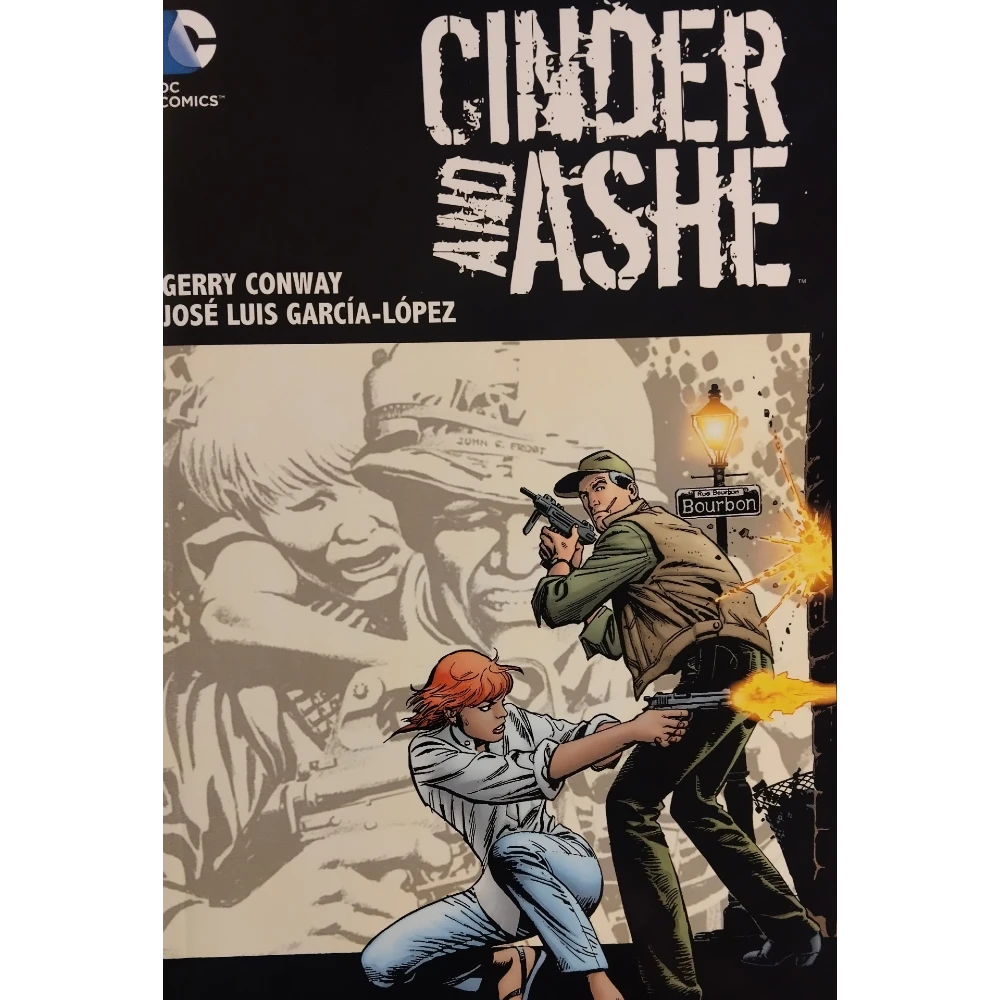
Every so often, a comic comes around that takes you by surprise by being produced by a mainstream publisher by mainstream creators yet, for one reason or another, slipping under the radar of the collective fanbase. Everybody talks about The Dark Knight Returns, Watchmen, "The Dark Phoenix Saga," or John Byrne's Superman. And those are all great comics. But some genuinely well-written, well-illustrated narratives, as a result, are overshadowed. How many people talk about Tim Truman's Hawkworld as a post-Crisis classic? Shouldn't Squadron Supreme receive just as much praise for deconstructing the superhero genre as Watchmen? And raise your hand if you're familiar with Camelot 3000, an unsung gem of a maxi-series.
Obviously, I'm partial to the 80s.
I would likely find significant support among readers when I say the 80s were such an important breeding ground for creative storytelling formats, powerhouse creators, fascinating characters, and a growing sense of maturity inherent in comic narratives that not every great story produced could receive the same amount of praise and reader exposure at the time of publication. Some have stood head-and-shoulders above others, which is certainly a well-deserved accolade in some cases, but dang, some stories just deserve more love.
Which is my secondary reason for reviewing today's story, a four-issue limited series from DC that pulls away from their typical bread-and-butter of superhero comics. My primary reason is that its penciler, José Luis García-López, also illustrated a DC/Marvel crossover featuring Batman and the Hulk that I recently reviewed. Recalling García-López contributed to this series, I thought it an appropriate time to review a unique story courtesy of the artist working alongside writer Gerry Conway. Conway may have authored some seriously dramatic narratives in his day, but you'll find Cinder and Ashe burns a different shade.
Cinder and Ashe
Writer: Gerry Conway
Penciler: José Luis García-López
Inker: José Luis García-López
Colorist: Joe Orlando
Letterer: Augustin Mas
Issues: Cinder and Ashe #1-4
Publication Dates: May 1988-August 1988
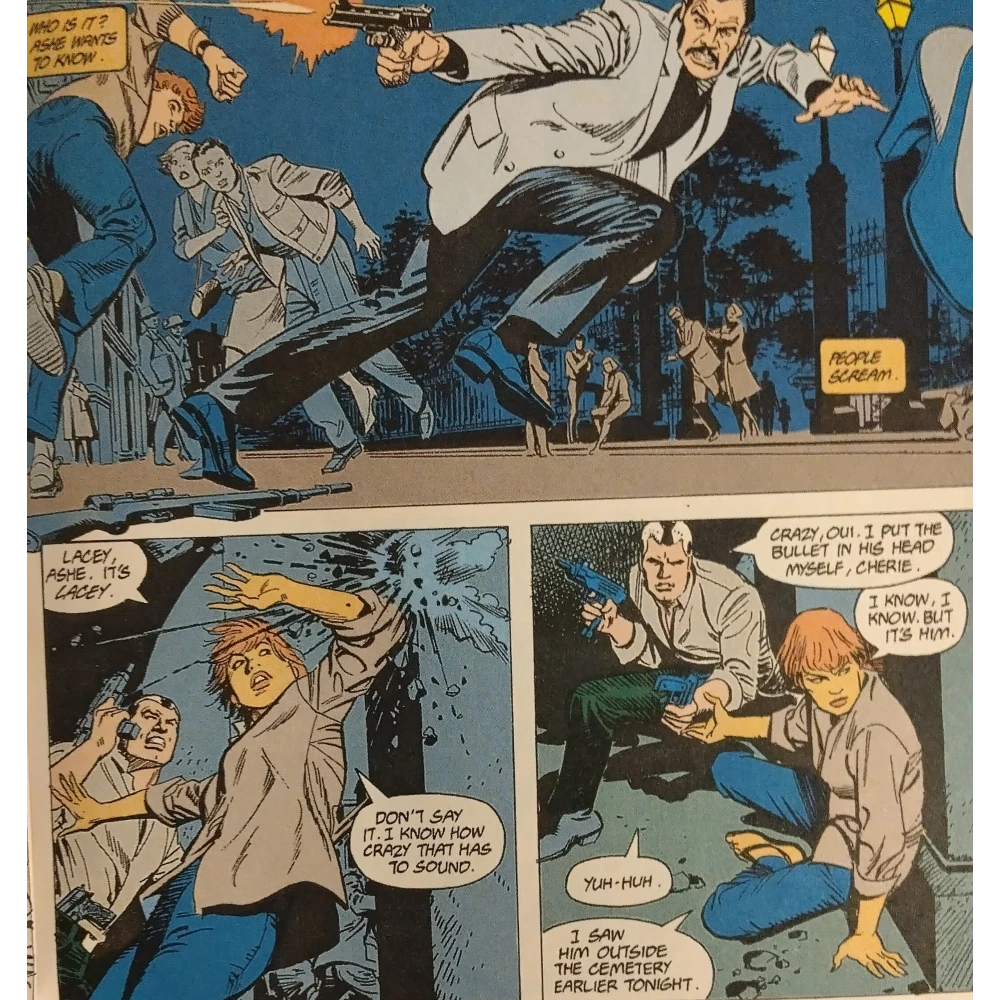
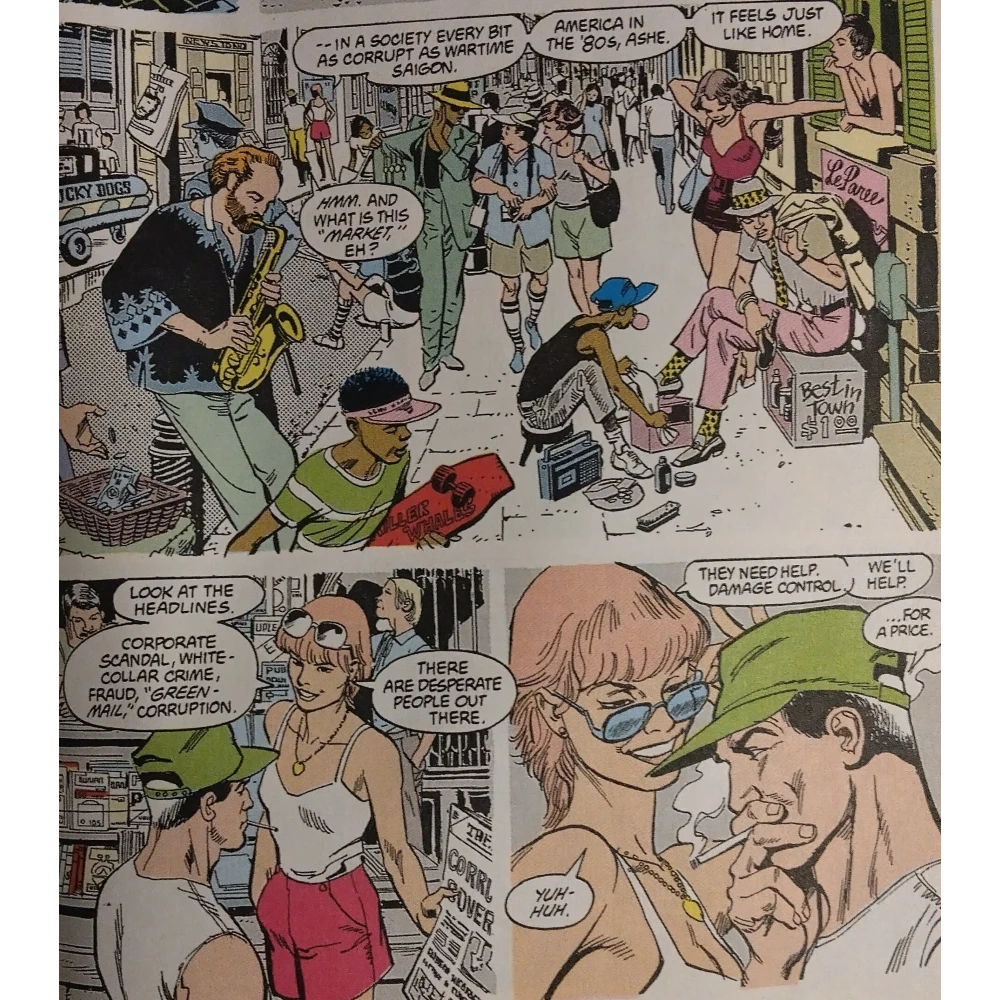
Based in New Orleans, Cinder DuBois and Jacob Ashe provide what they call "damage control services." For a price, they help people. Sometimes that means returning kidnapped wives to their husbands; other times it means saving battered wives from their husbands. Occasionally, it means both. Ashe is an American soldier from the bayou who served in Vietnam, while Cinder is a half-American, half-Vietnamese former street urchin. If you notice the connecting location, good eye; like with another of Conway's famous creations, that particular conflict becomes very important to the overarching narrative.
Conway is playing a game of decades here, and just as important to the unfurling plot in the present is his weaving of the past. Cinder and Ashe's relationship, professional and otherwise, extends back several years, and though he establishes some important information right off the bat, Conway excels at doling out details as the series progresses. You're introduced almost immediately to integral connections and the series' main antagonist, but how those pieces fit within the overarching narrative becomes clearer as you read.
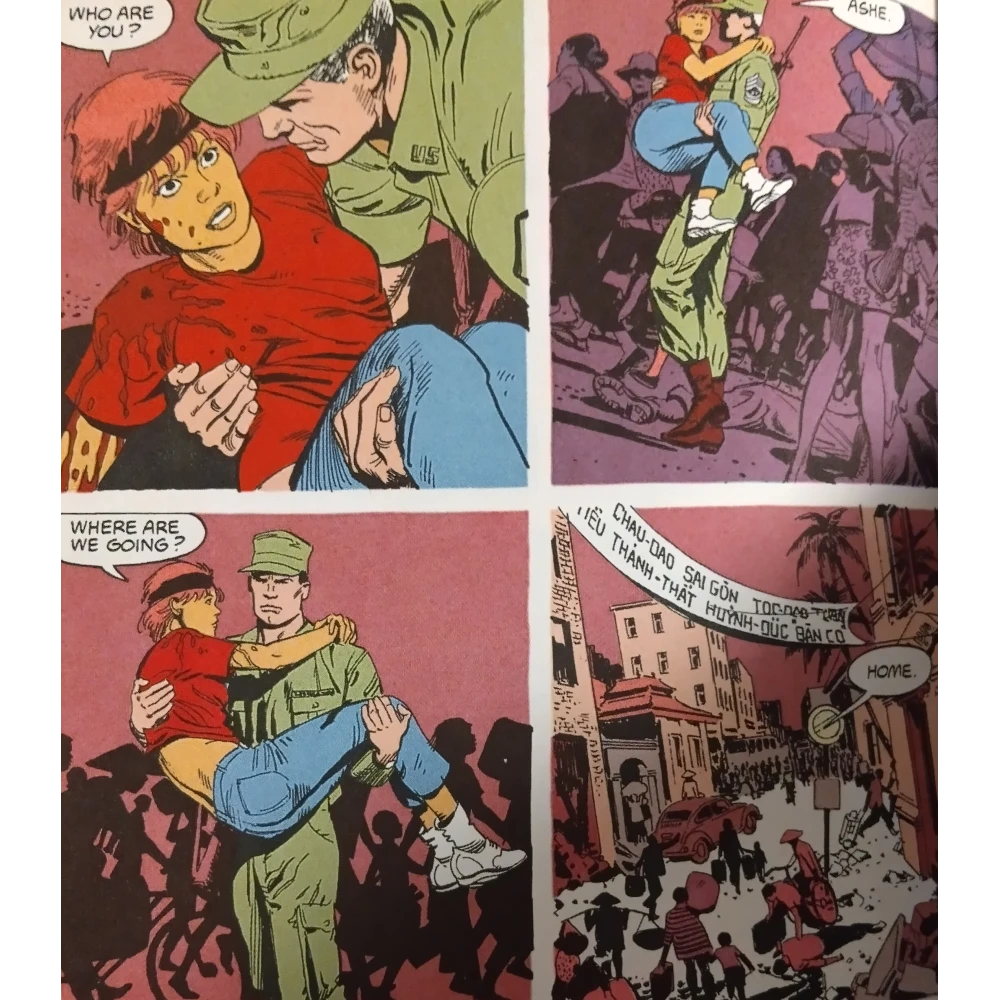
Cinder and Ashe is really telling two stories, of the current case our "damage control specialists" investigates as well their conjoined past, Conway doing well to unfold the connections between the two. Some of these connections aren't all that surprising, save for a genuinely shocking moment or two, but Conway's primary interest is the characters themselves. Giving us a snapshot of who Cinder and Ashe each are in his opening scenes, Conway methodically showcases where each comes from, who they used to be, and who they became.
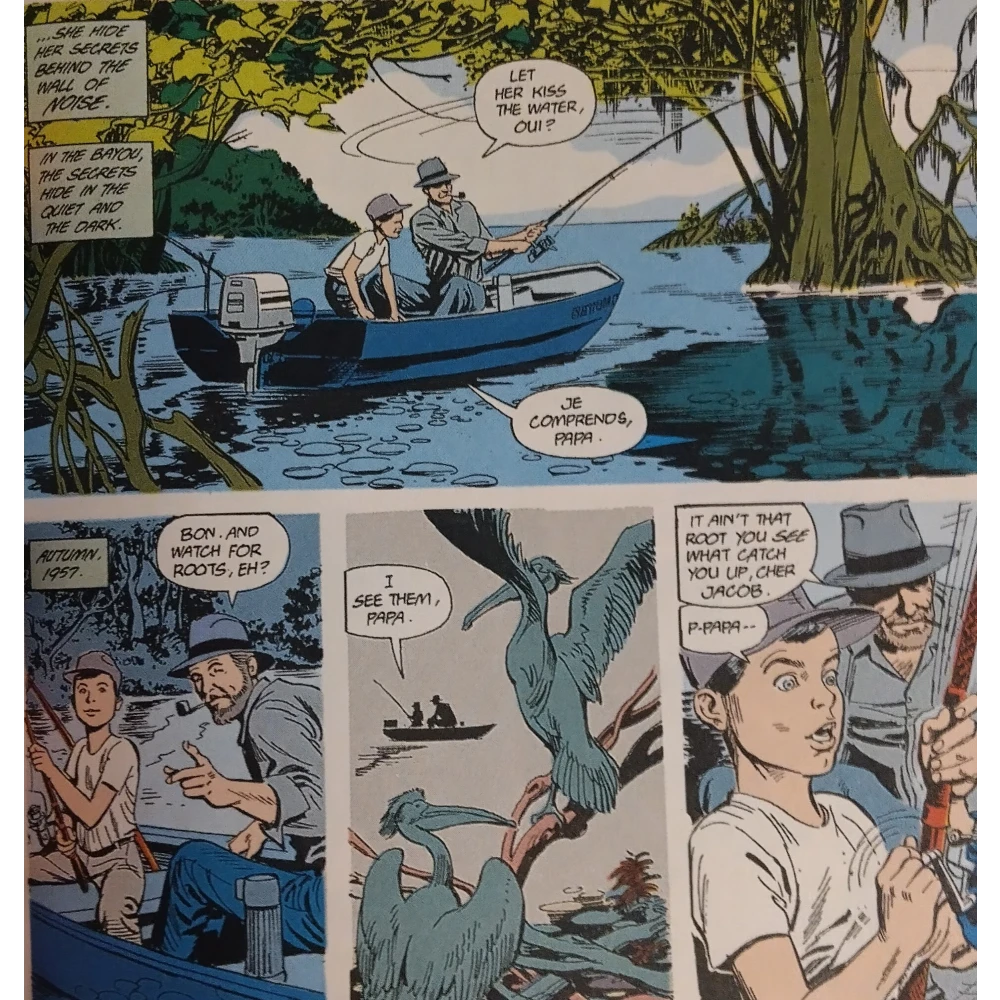
Grounded in the Vietnam War, a useful backdrop for comics creation, the past allows for an escalation of empathy for both characters, be it through Cinder's eyes as a red-headed orphan child exploited for her thieving skills or Ashe's growing compunction with his current occupation. Both characters are linked through tragedies, lost parents, finding in each other a human connection that evolves over time. A bit of happenstance is necessary to finally draw them together, yet Conway is resolute in bringing Ashe's involvement to the fore. He's not Cinder's adoptive father, not really, though the narrative steers him in that direction, particularly as Conway subtly weaves in parallels between Cinder and Ashe's relationship, Cinder's relationship with a criminal who "raised" her, and Ashe's adoration for a step-father he sees with as much as love as one could have for a biological dad.
Coyness is like a snake slipping in and out of Cinder and Ashe's relationship. Presented initially as incredibly compatible business partners and friends, their connection gains new twists and turns across these issues. Conway capitalizes well on that father/daughter aspect to their relationship, skirting past the boundaries of romance in one instance. The moment is uncomfortable, yet it is meant to be presented as a sign of growth on both their parts, the brief flirtation with an idea neither individual expresses more comfort with, fortunately. It's a wise decision on Conway's part, particularly as romantic tension filters little into the rest of the series.
But the moment is also important for playing into healing the damage of the past. Conway's main antagonist, significantly, has connections to both Cinder and Ashe, representing the last vestige of adolescent trauma Cinder seeks to eradicate and a barrier to saving Cinder which Ashe had believed eliminated. A deadly professional, this character is a prowling panther, his threat largely displayed through subterfuge and shadowy tactics, eventually culminating in a violent finale in Washington DC. He haunts the pages, haunts Cinder and Ashe despite their resolve, a ghost given flesh. If you're hungry for Jason Bourne-esque action, look no further than a chase sequence where Cinder and Ashe pursue this adversary, the aforementioned Washington DC scrap, and a tense few pages in blacked-out hallways.
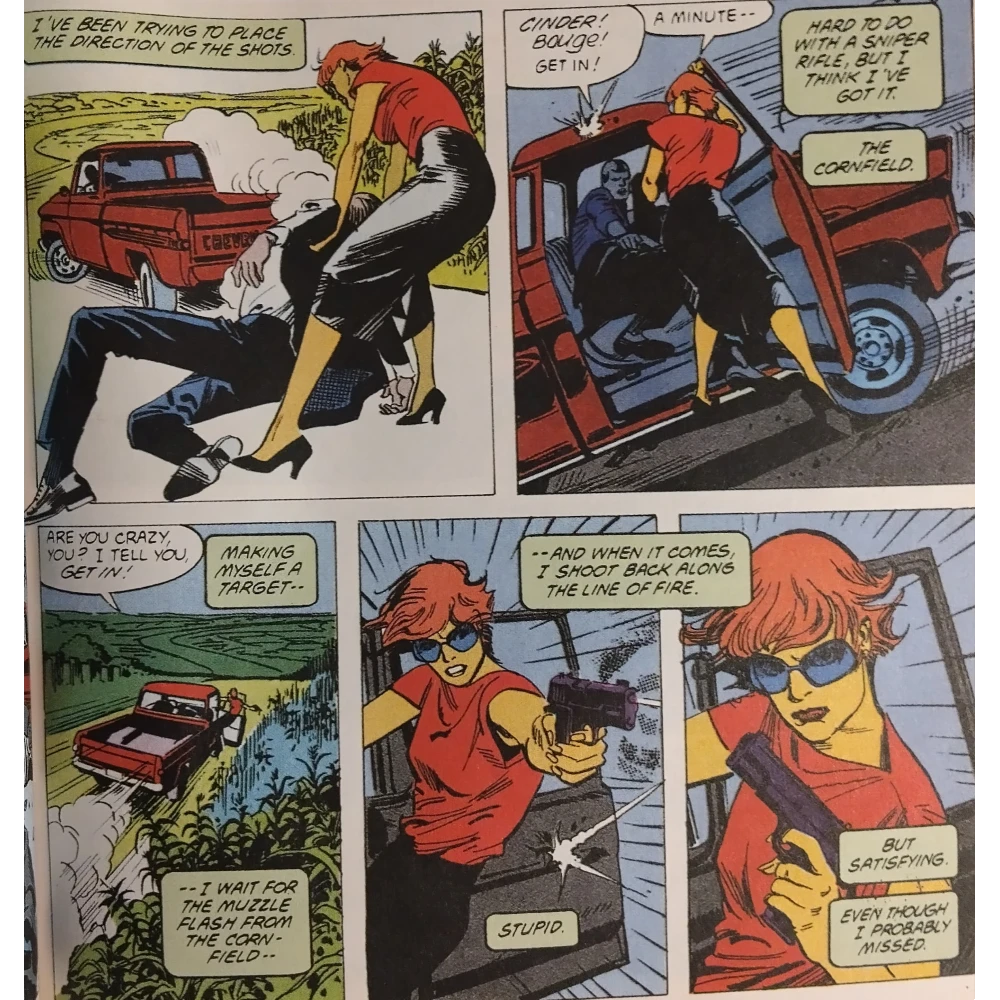
The whole story is a thriller, beginning to end, as action permeates the past and present. Like other thrillers, a dark conspiracy winds its way through most of the plot, a mystery deepening the further you go. Conway supplements a few major twists and turns, one of which is highly effective…if you pay attention to certain details. The twist isn't obvious by any means, and if your eye catches the right visual features, you'll be at least subconsciously aware of what's happening. It's not exactly the kind of twist you could flip back through and connect the dots for, and without catching some of those significant visuals, you're likely out of luck. The twist certainly feels more satisfying on a re-read and filters well into the genre Conway's writing, but its initial impact will be limited if you don't play your game of I Spy correctly.
García-López's ability to create emotive expressions on his characters' faces and generate believable surroundings highlights the series' effectiveness. No Hulks or Batmen or Jokers running around Gotham City to be found here. Everything is drawn from reality, from New Orleans' city streets, to the swampy bayou, to the hectic chaos of Saigon. Additionally, coloring becomes a vital aspect to the series, not just in how this series' palette enhances the environments but also how it delivers tense action sequences and character details. Several key scenes take place at night, with dark bushes, allies, hallways, and corners cloaking unseen adversaries. Ashe's prominent white streaks of hair capture his age, and Cinder's bright red tresses fit her fiery personality. Also notable is Cinder's skin tone, utilized effectively to denote her as a non-white character yet done so respectfully, drawing the eye without leaning too much into stereotypes.
This book looks great, and it reads fairly well. Cinder and Ashe is, foremost, a character study centered on its dual protagonists, weaving their individual stories across the decades while maintaining strong focus on how those stories intertwine. Their relationships–with each other, with parental figures good and bad–deepen the narrative, foregrounding a tale with twisty mysteries, tense action, and old scores to settle in the strength Cinder and Ash find in working through life together, as allies, business partners, and friends. I don't often think of "sophisticated suspense" when I consider Gerry Conway, despite the complexities found in his Amazing Spider-Man work, but this limited series showcases a veteran storyteller breaking free from some constraints and telling a true, adult, real narrative, deepened all the more by the artistic talent García-López provides.